Kintsugi Bowl "Hidamari" 01
Kintsugi Bowl "Hidamari" 01
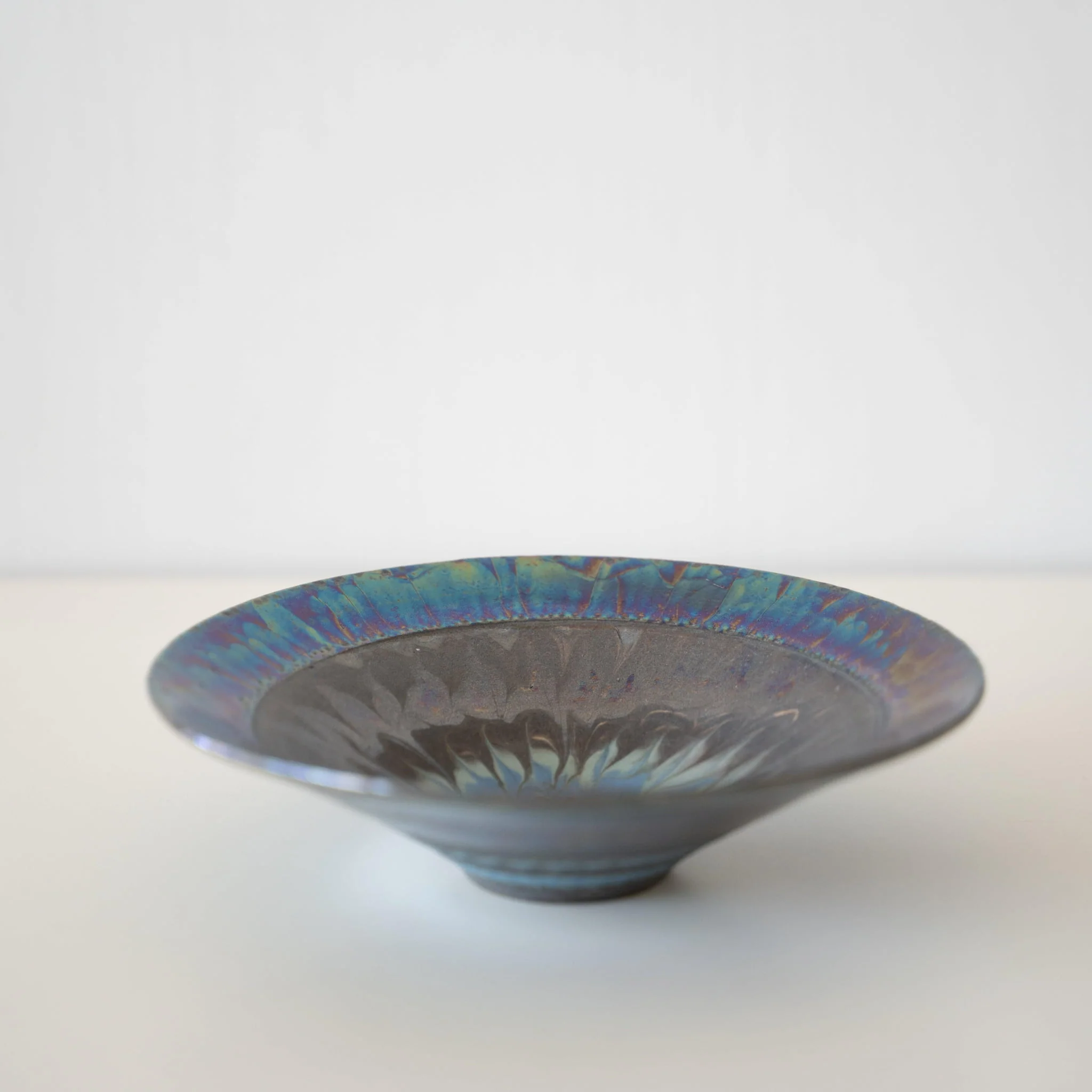
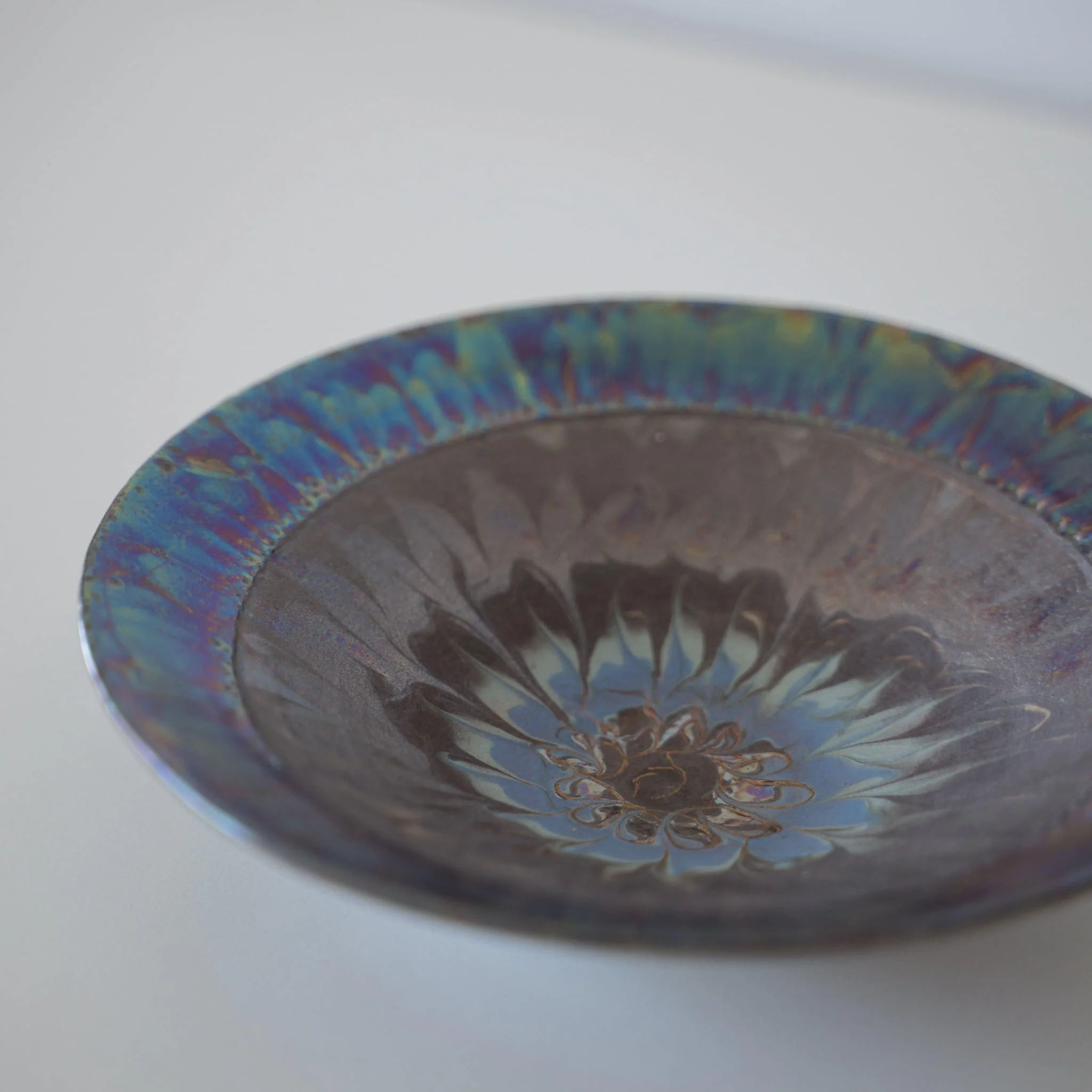
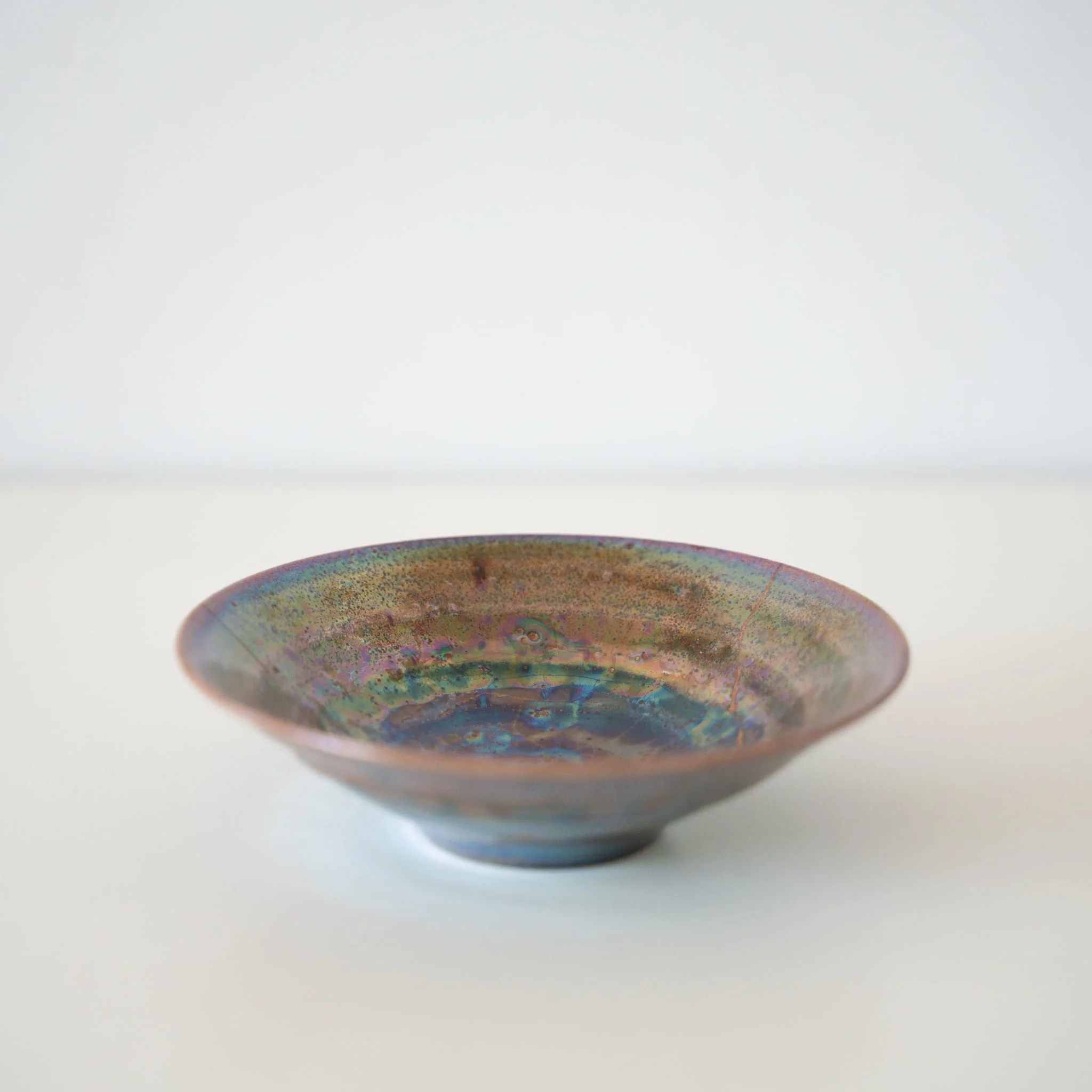
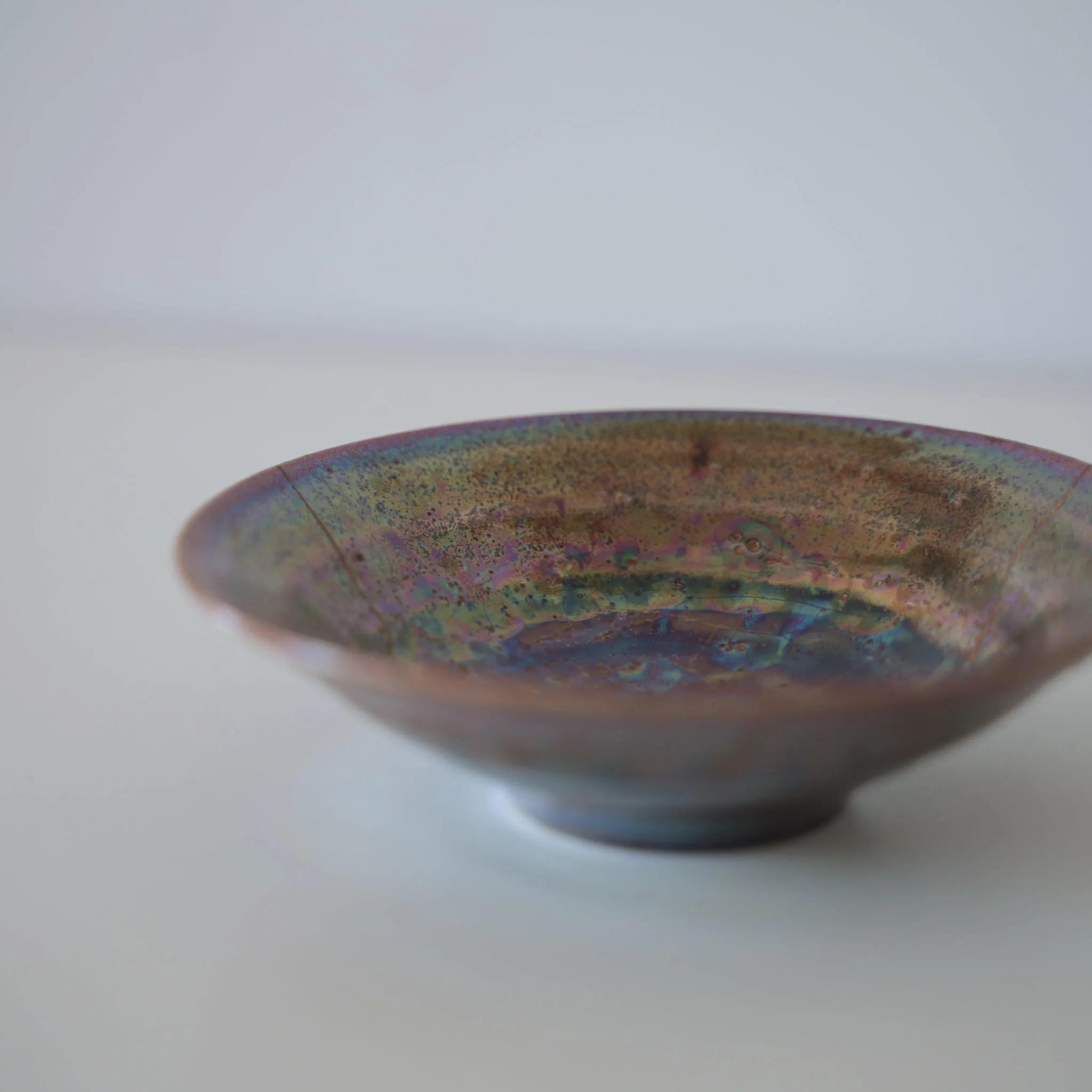
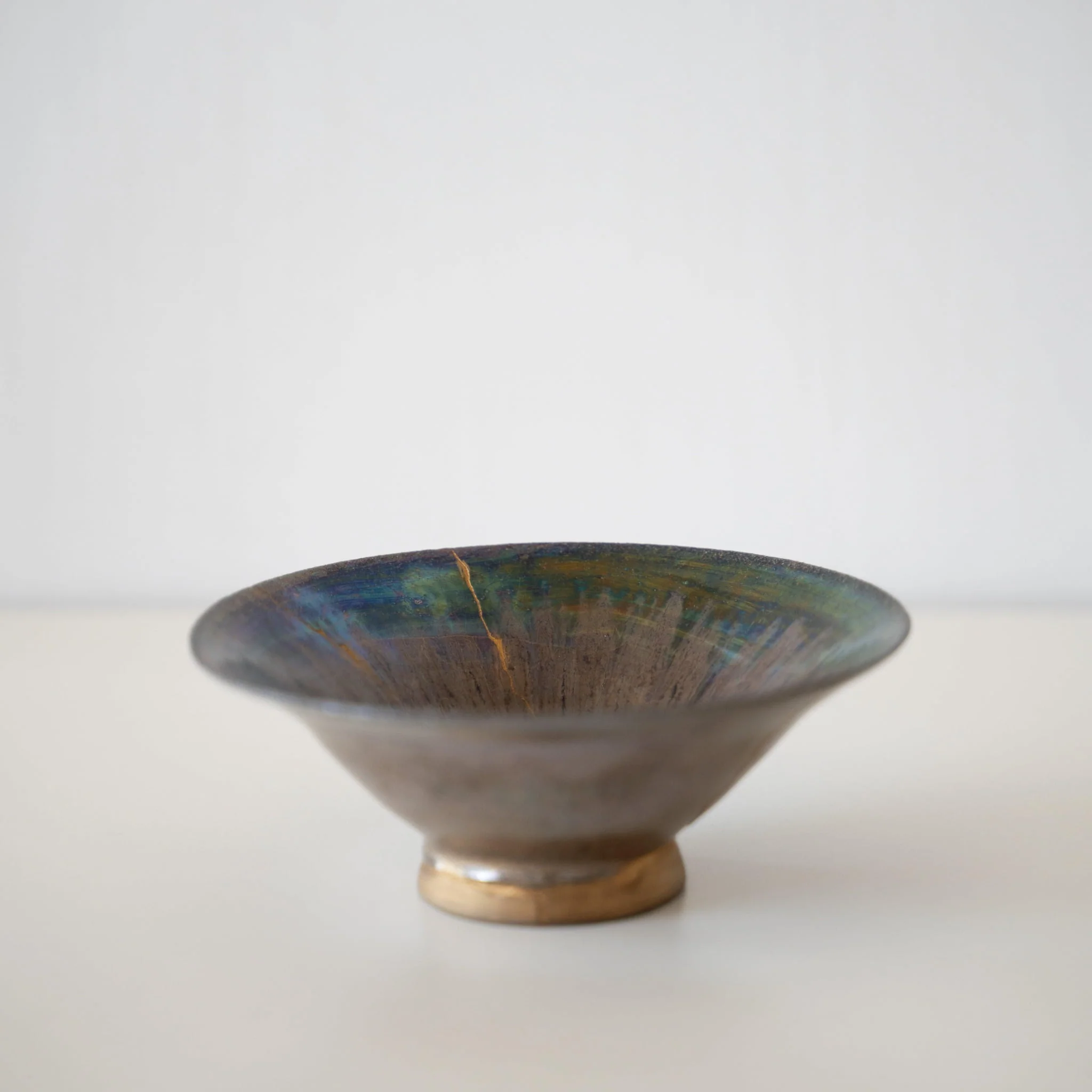
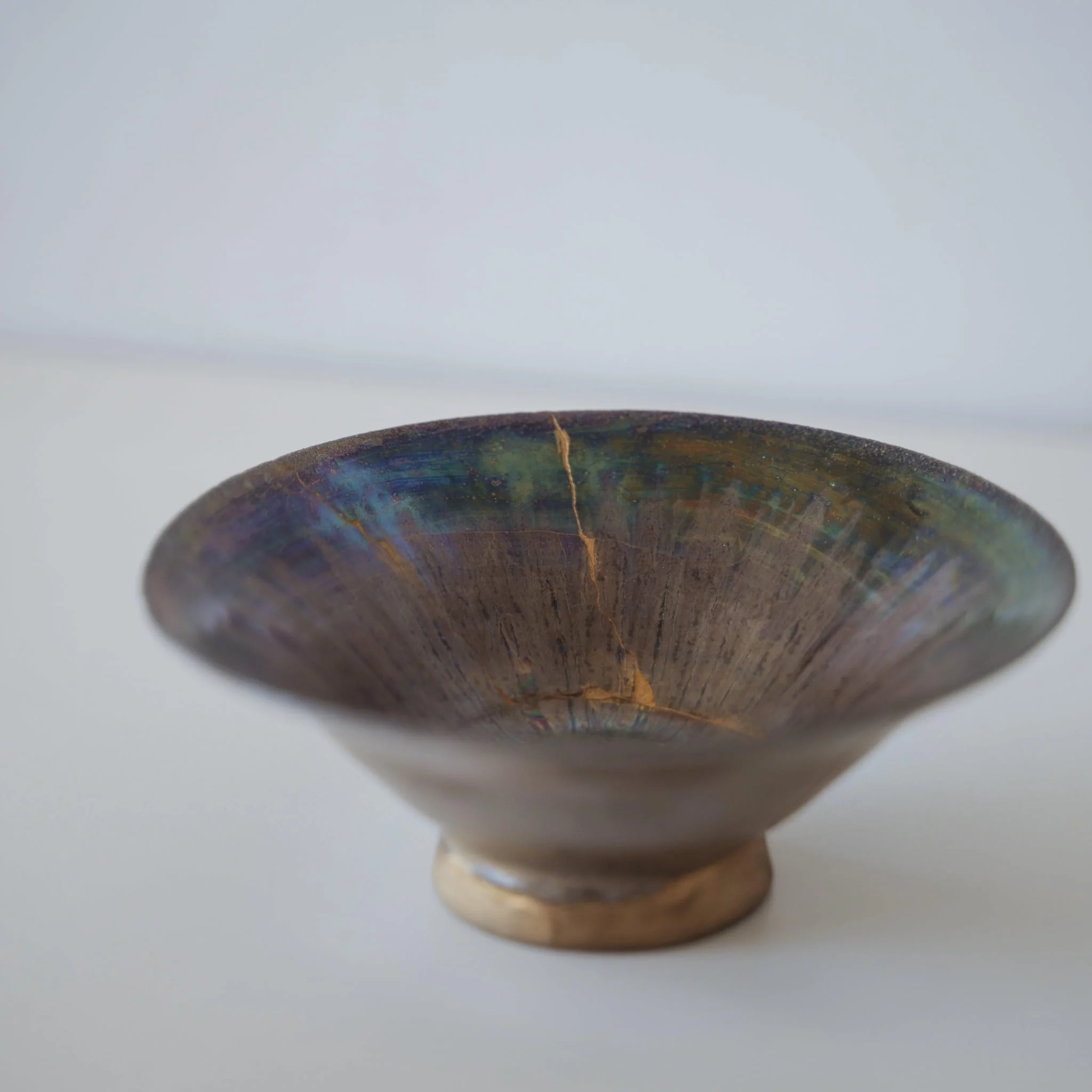
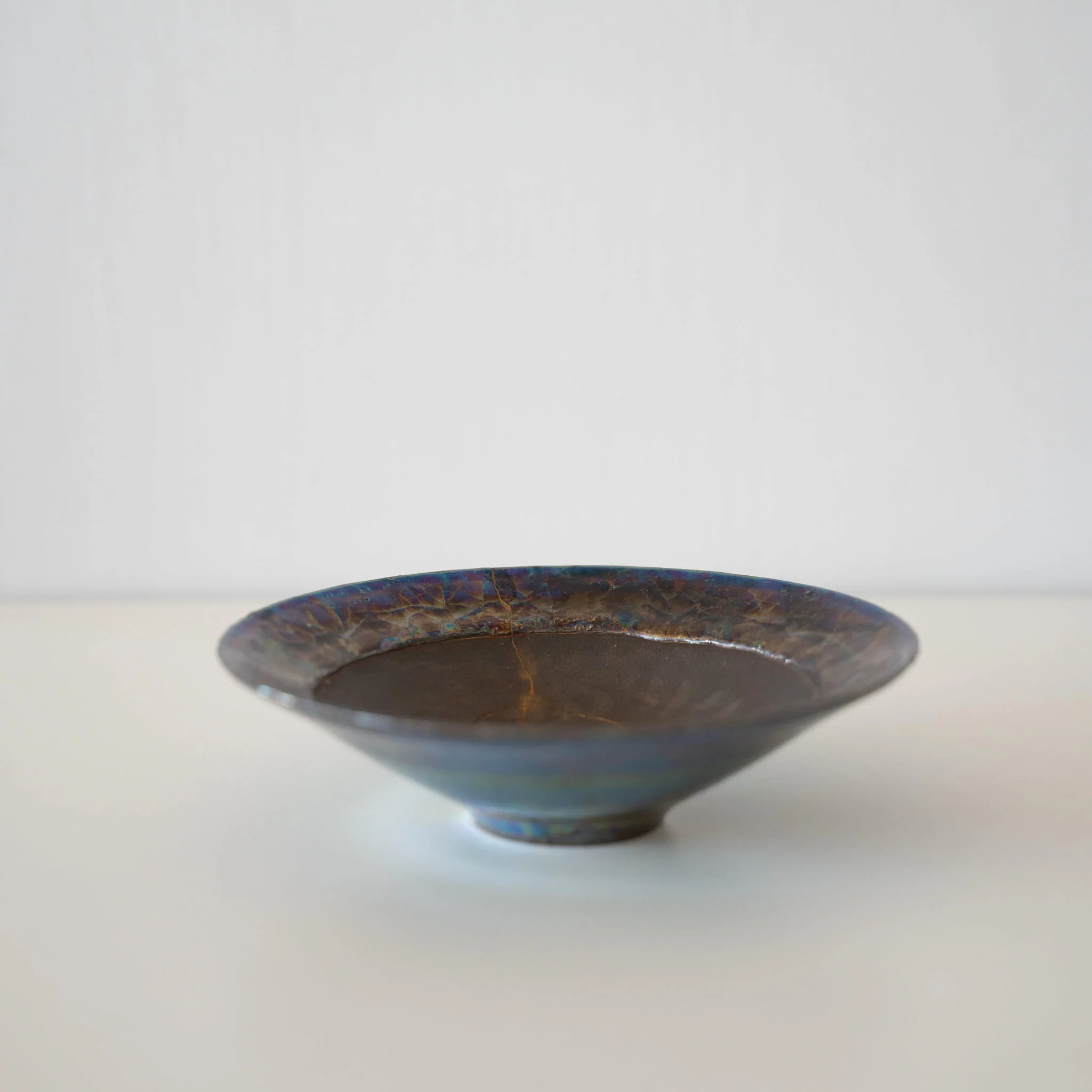
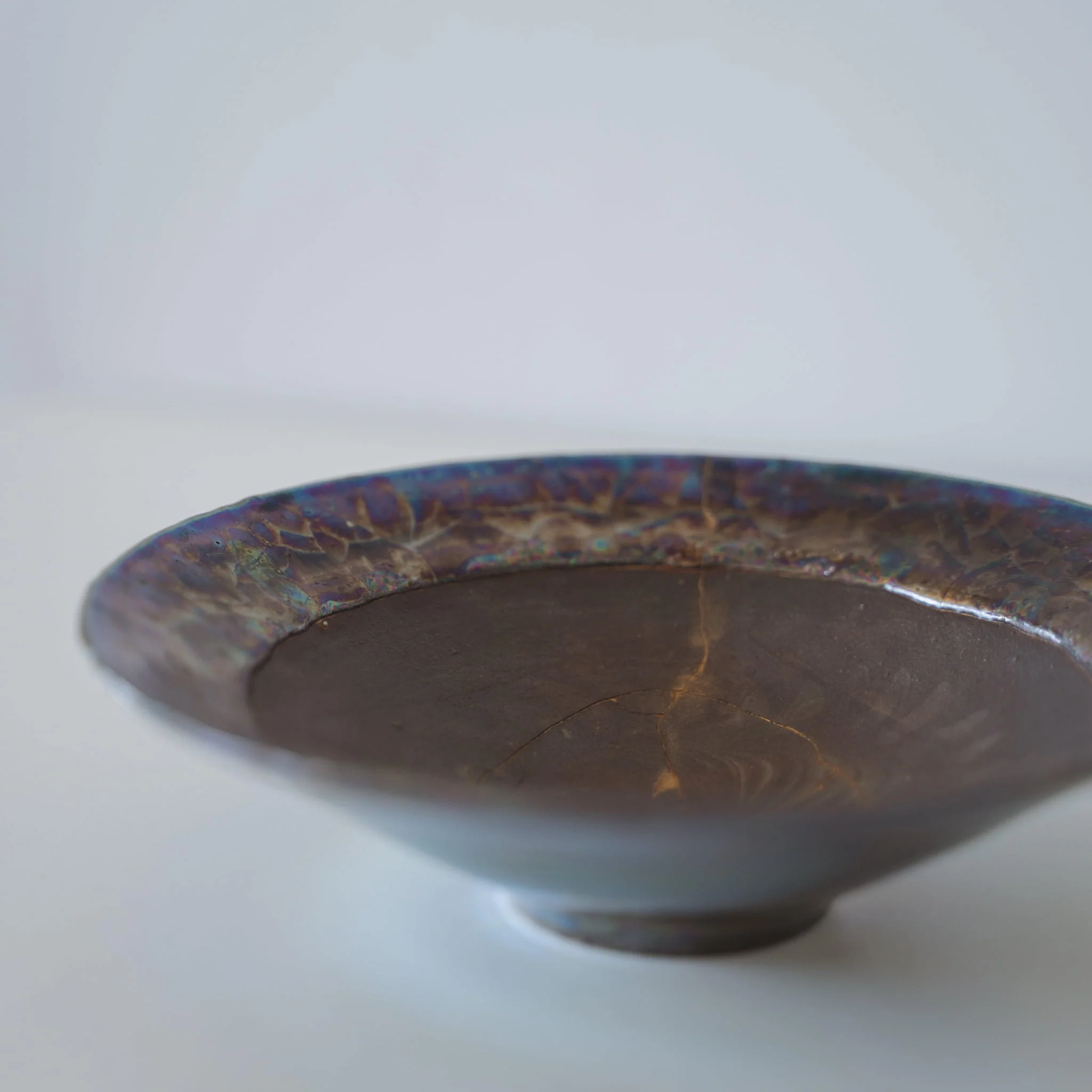
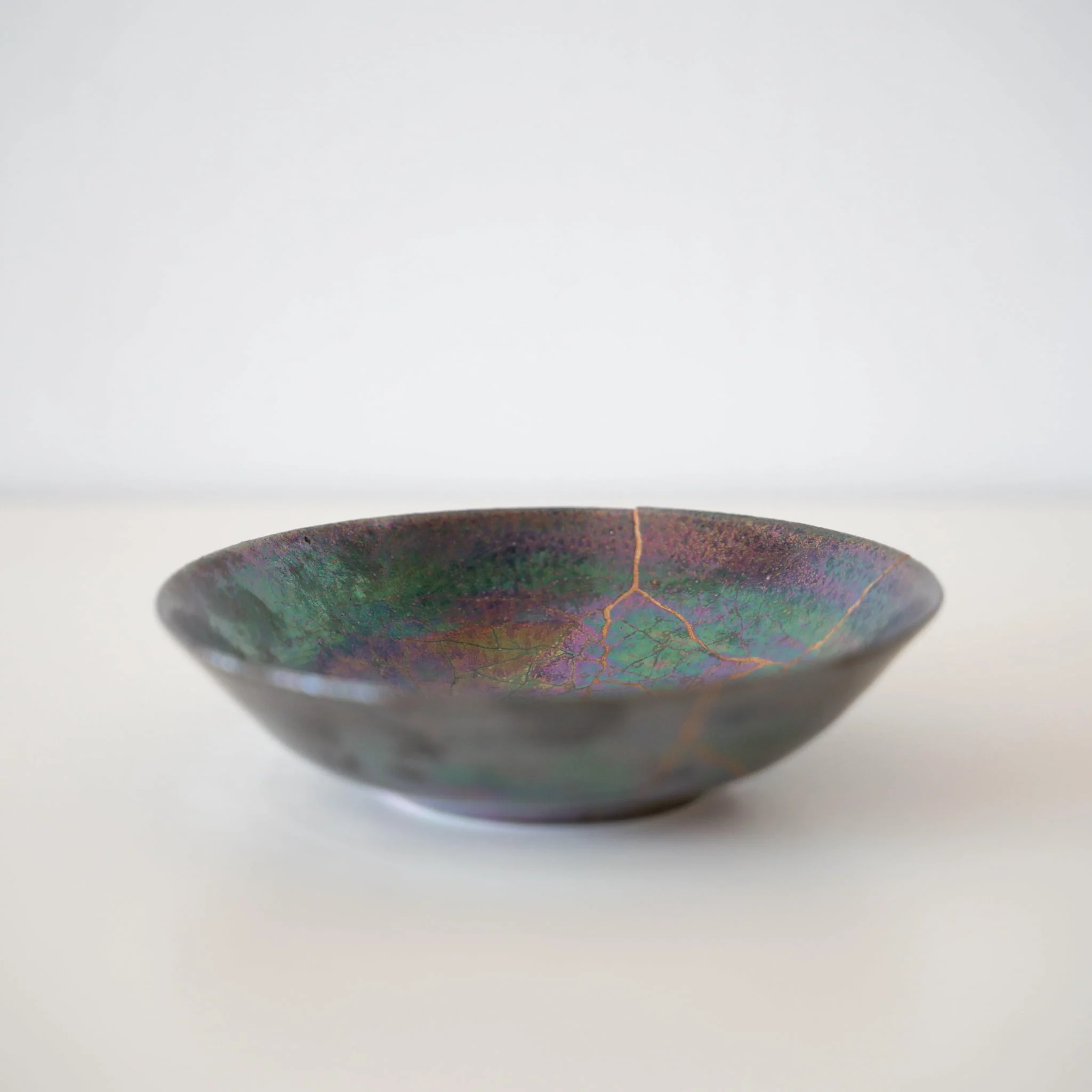
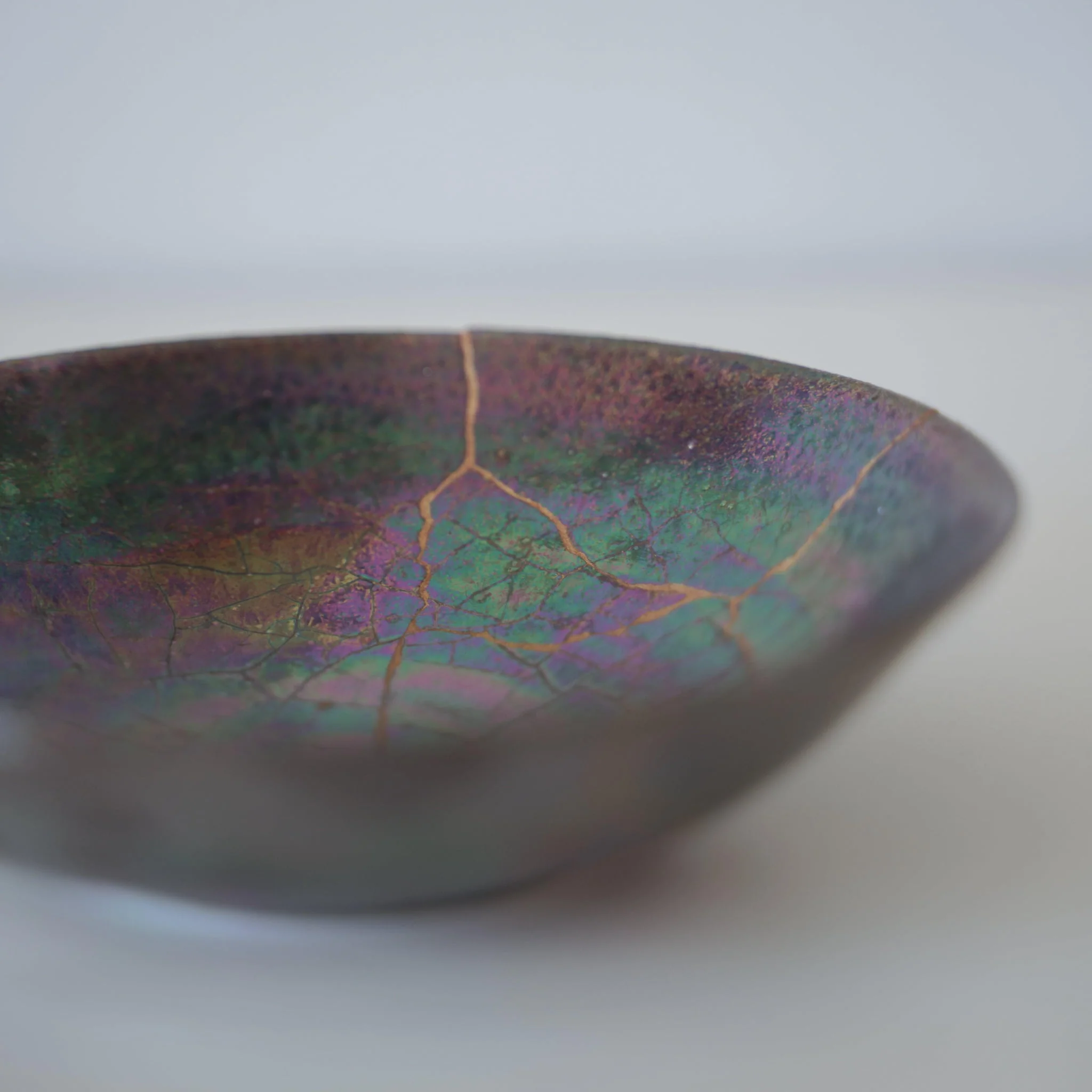
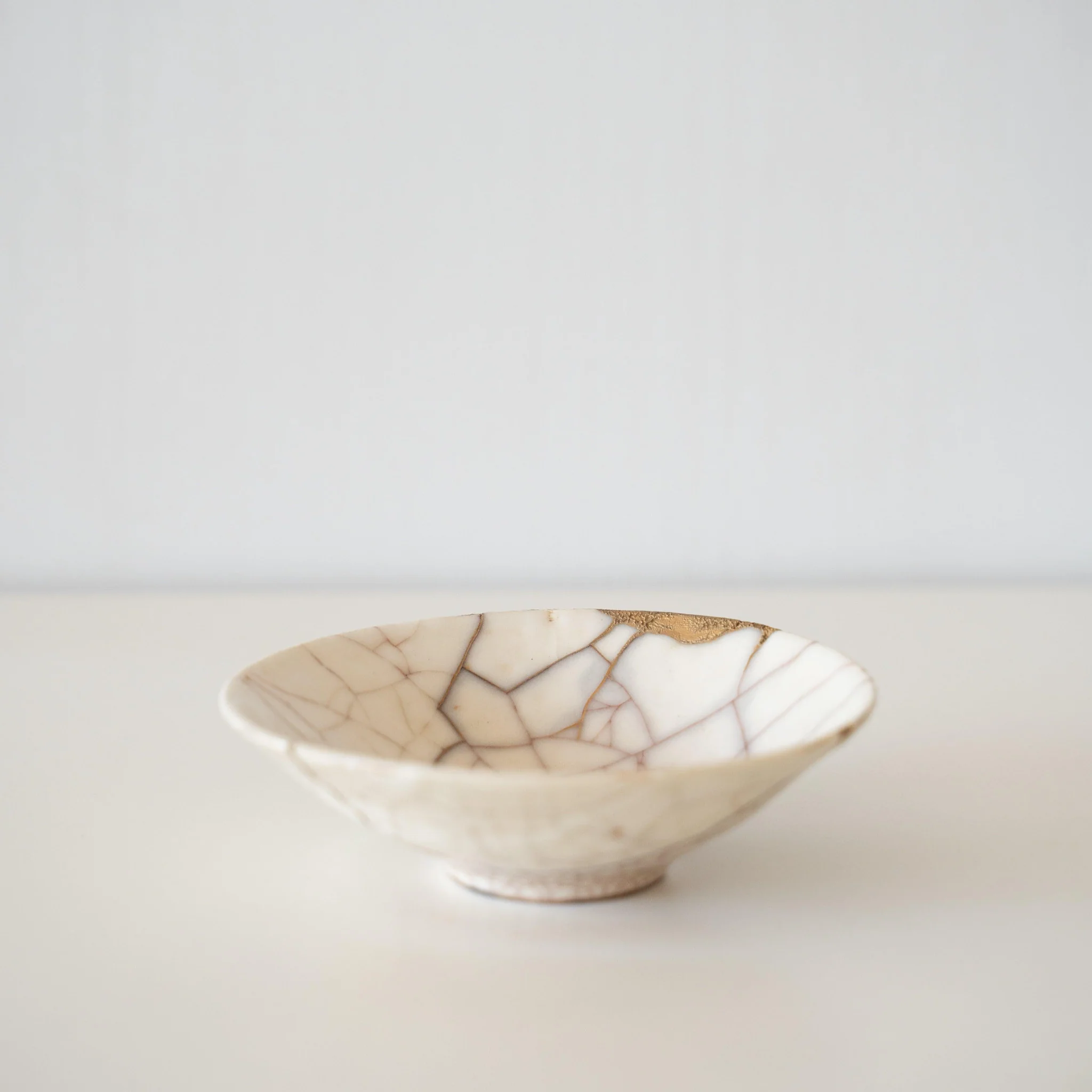
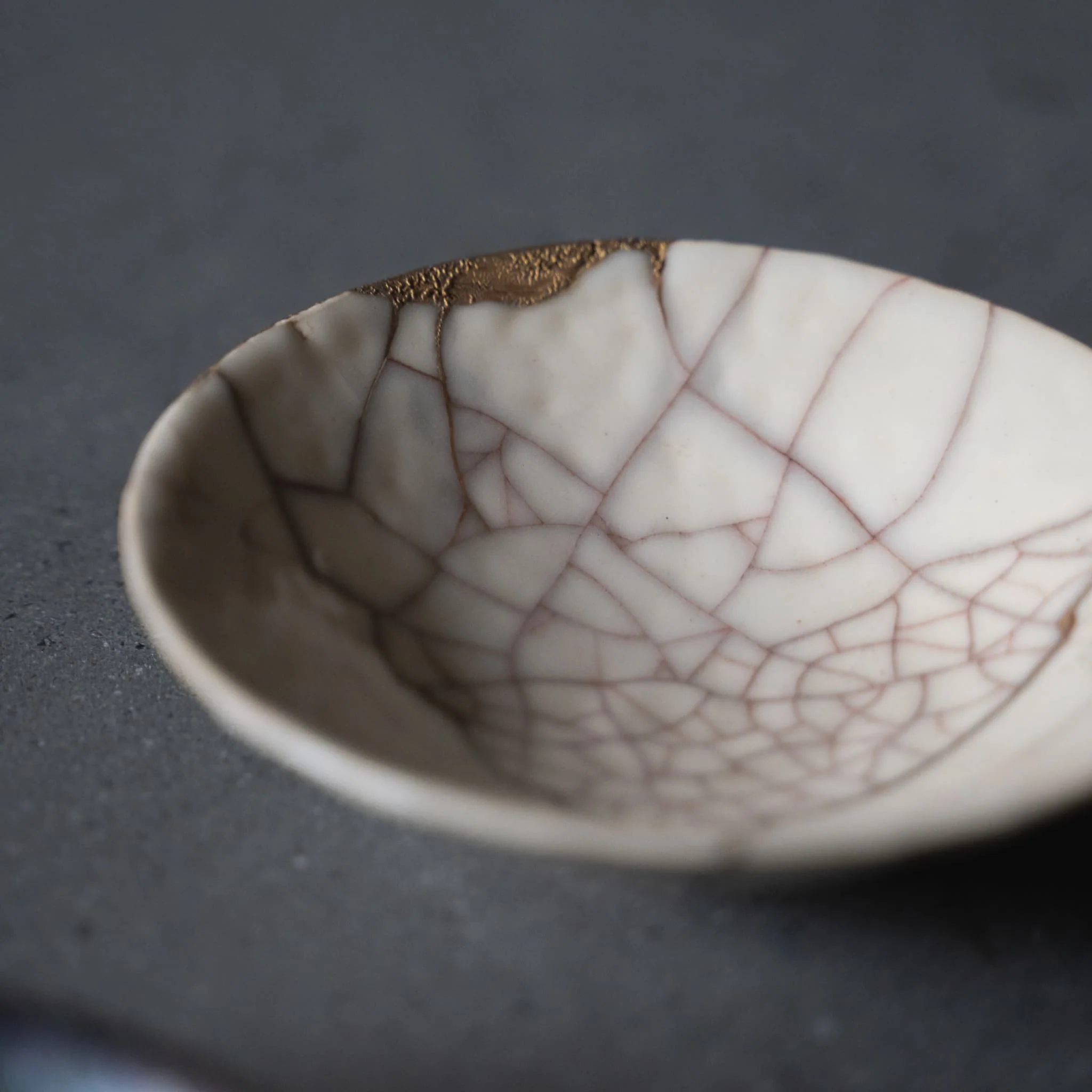
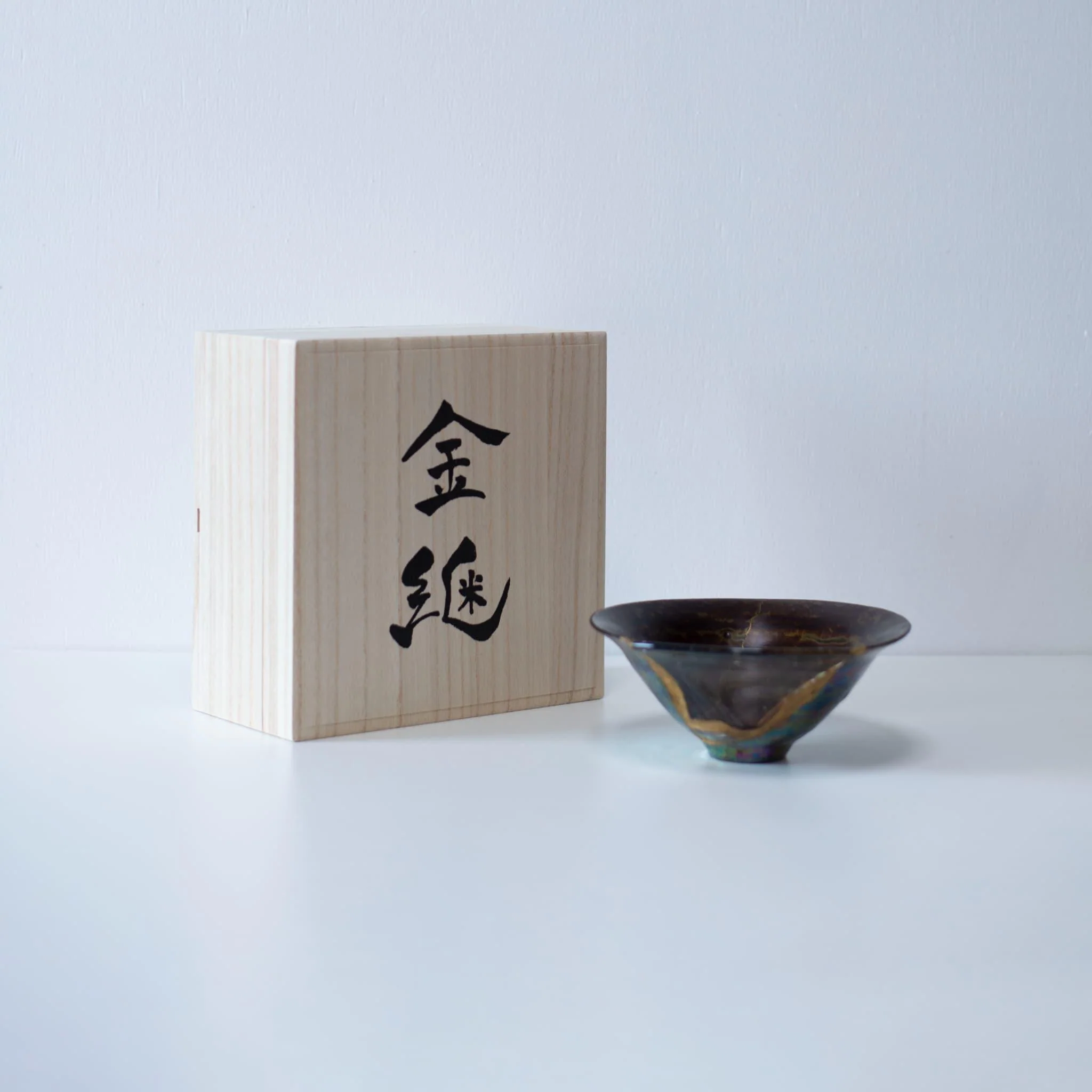
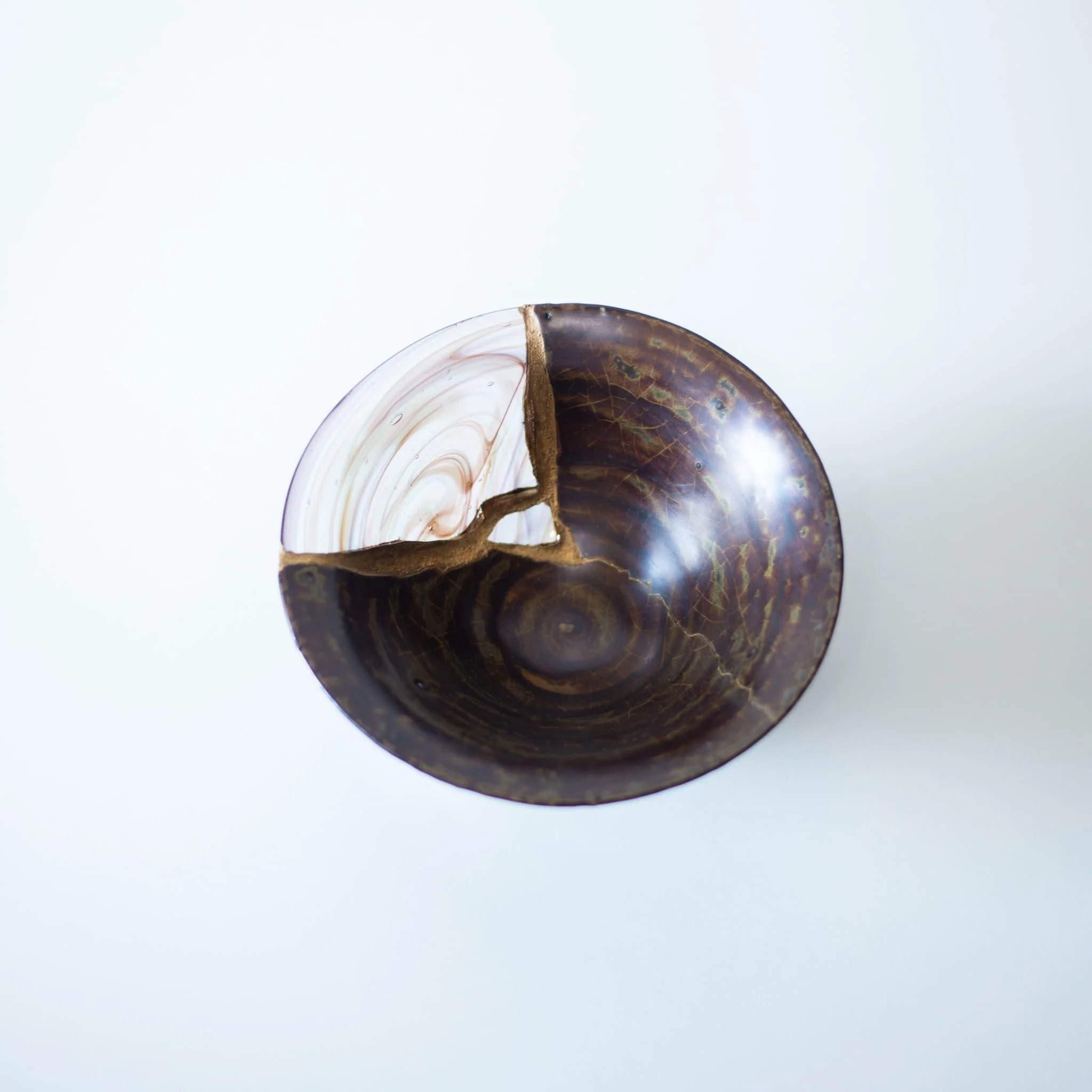
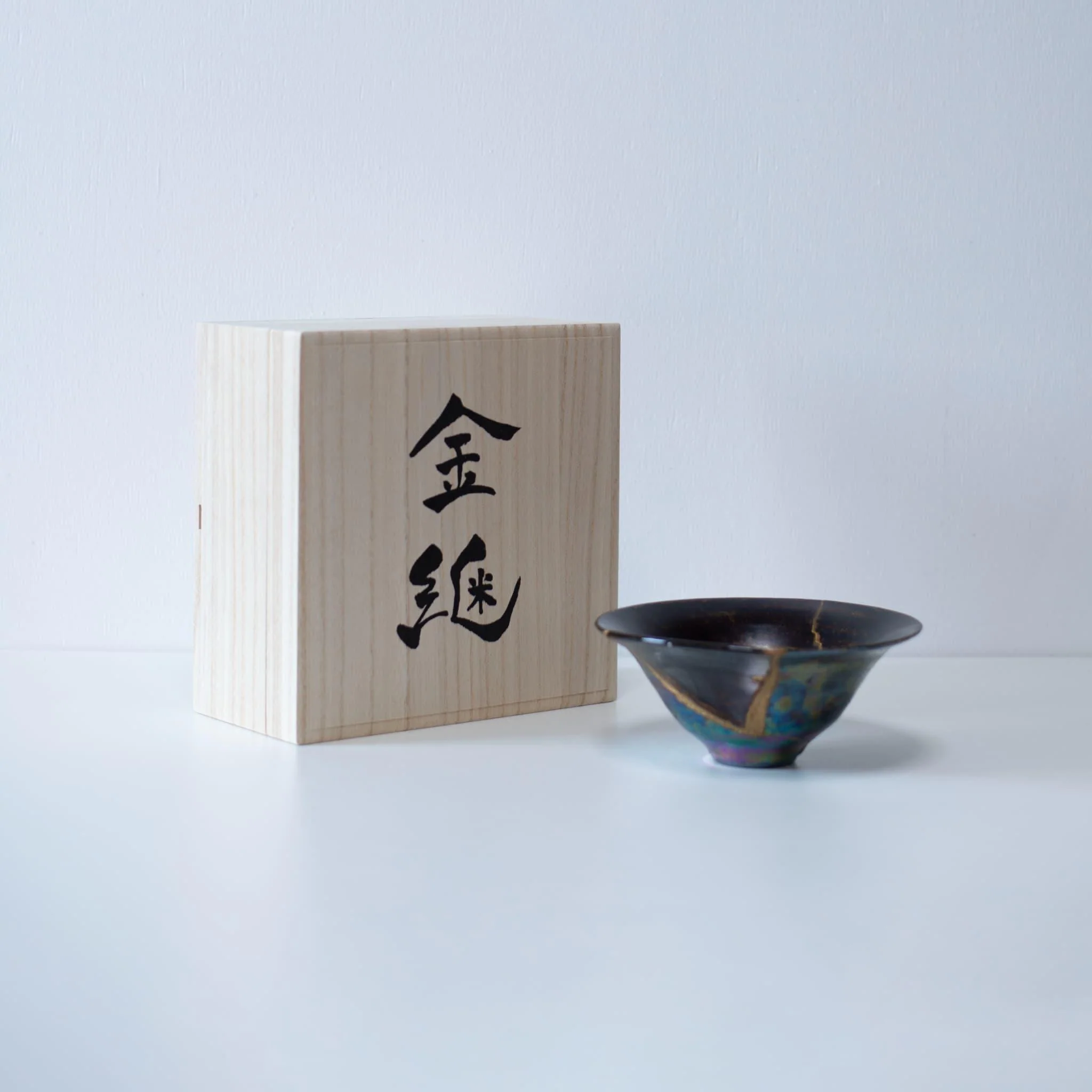
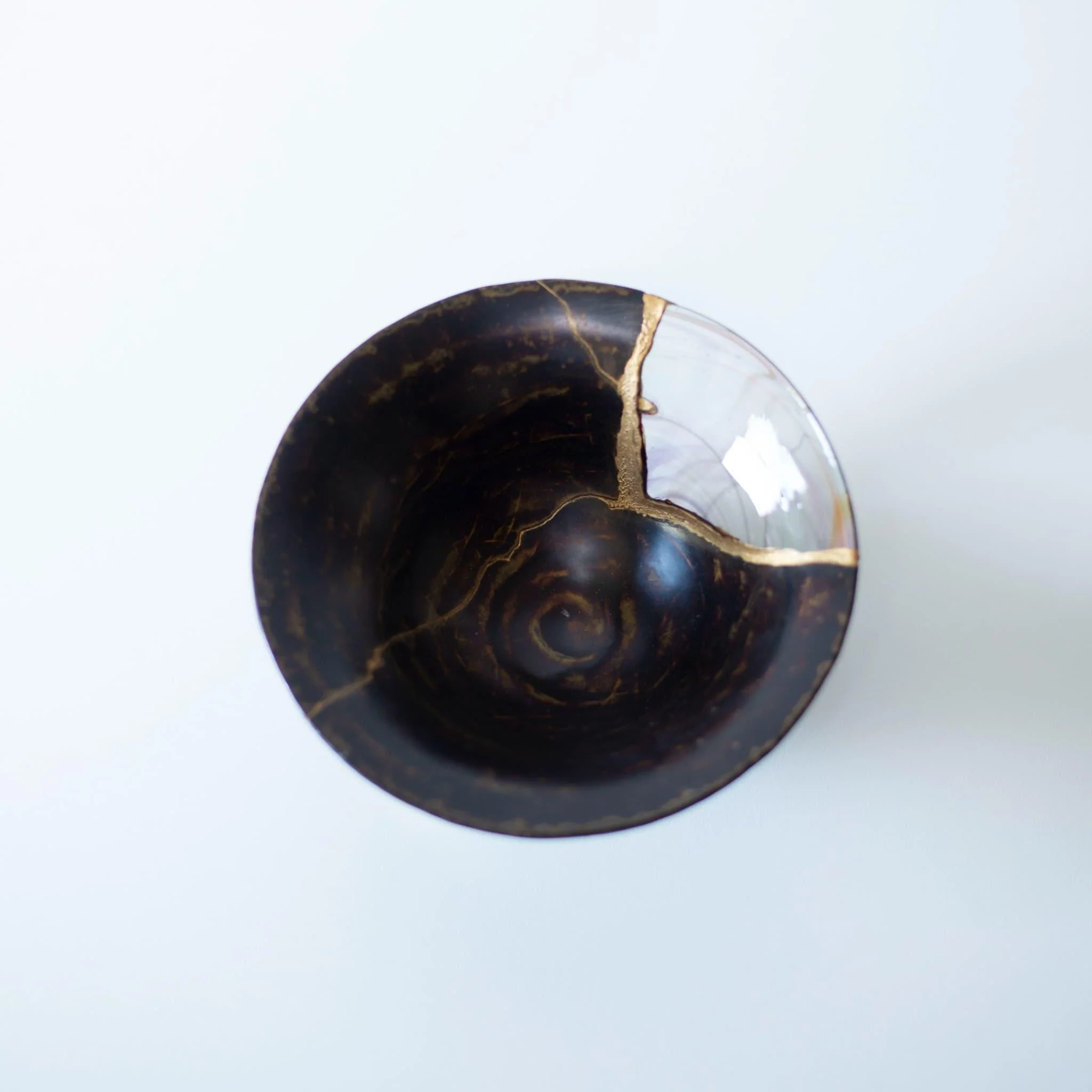
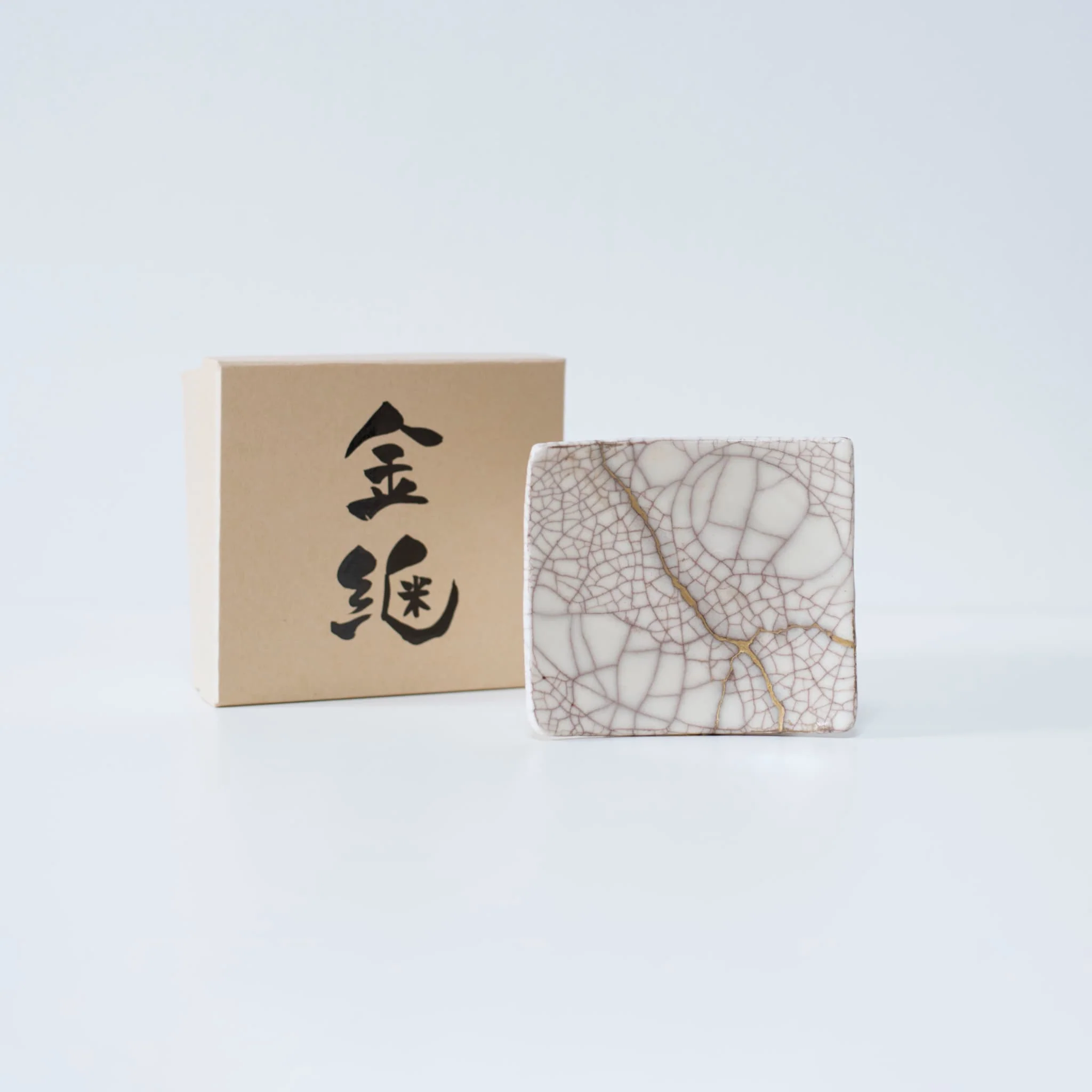
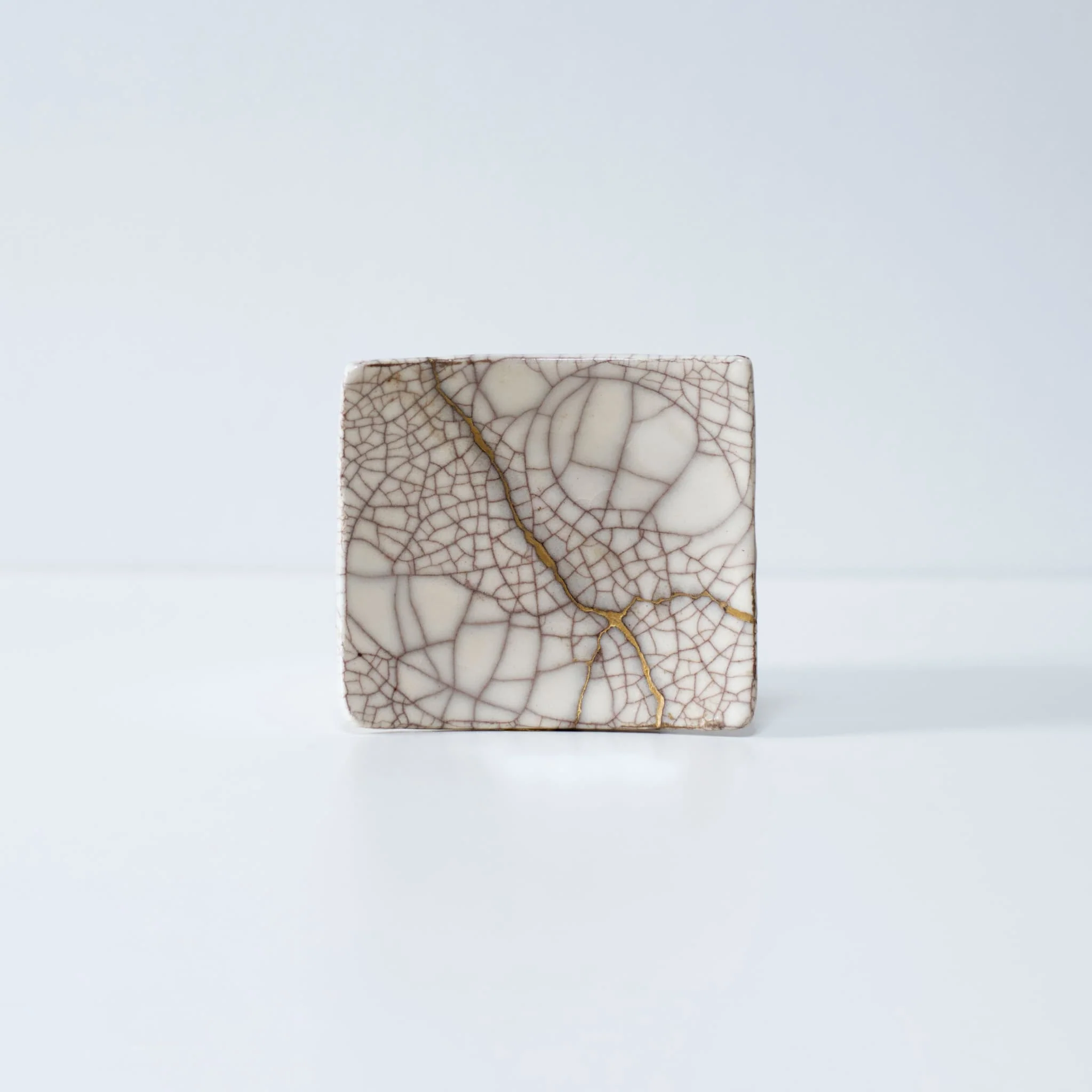
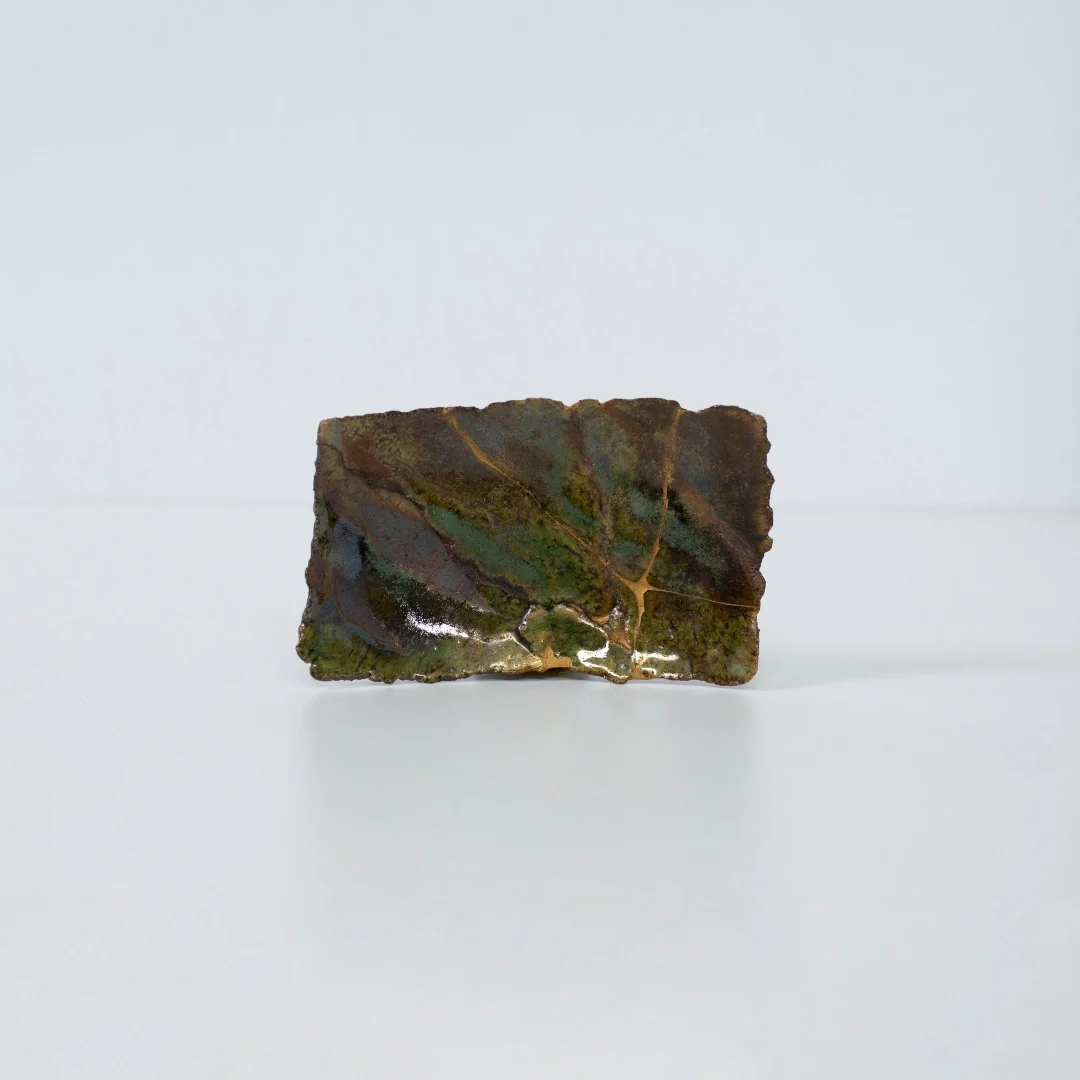
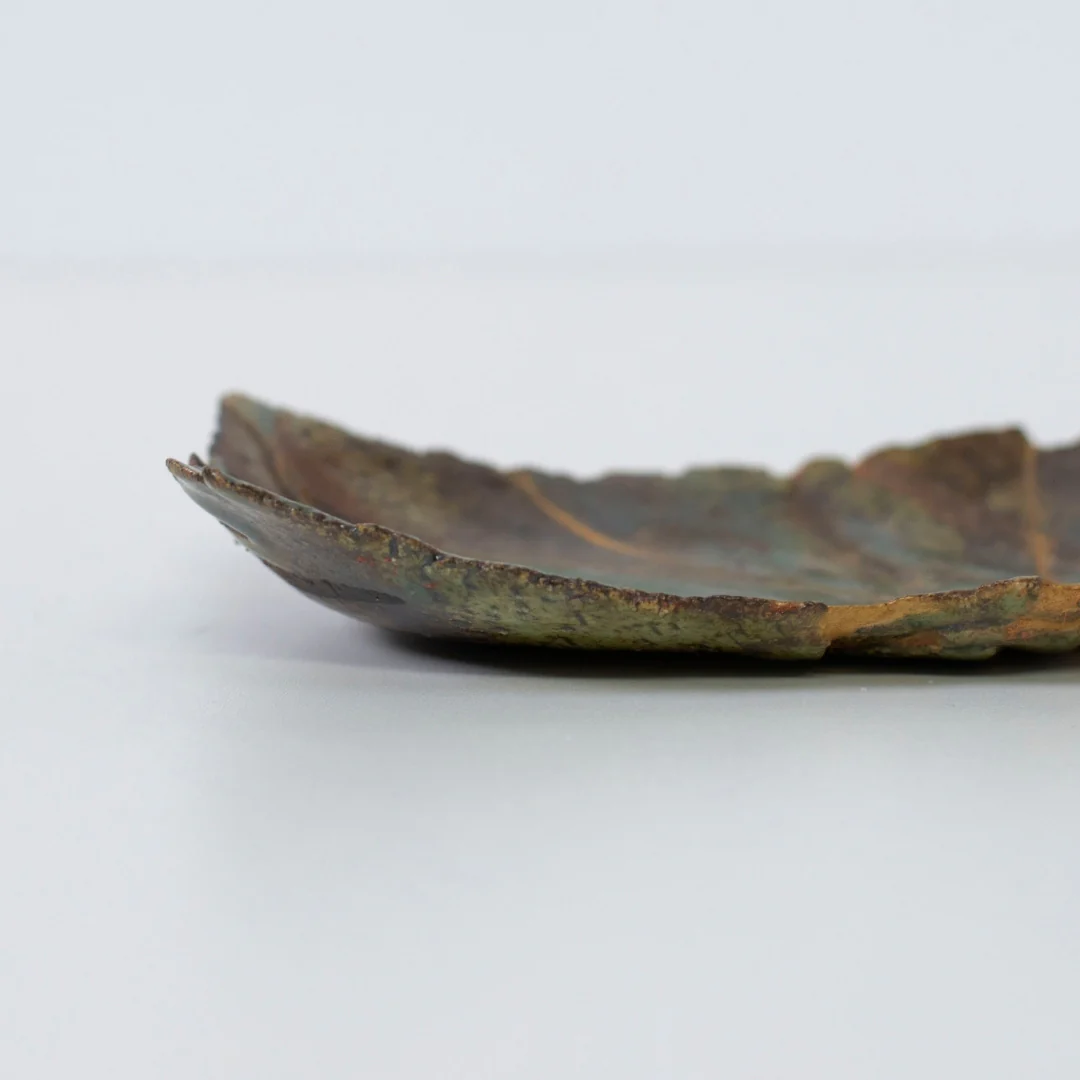
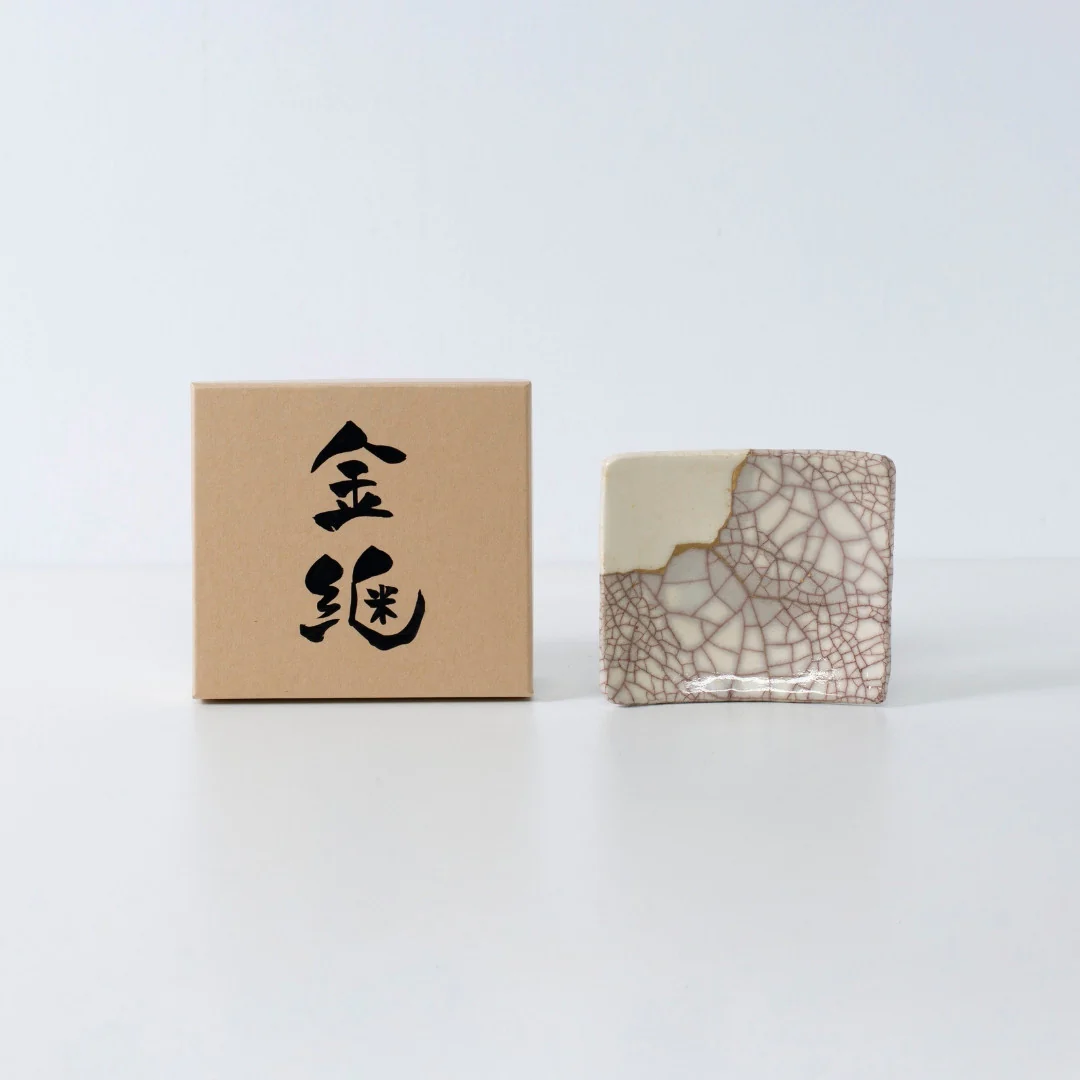
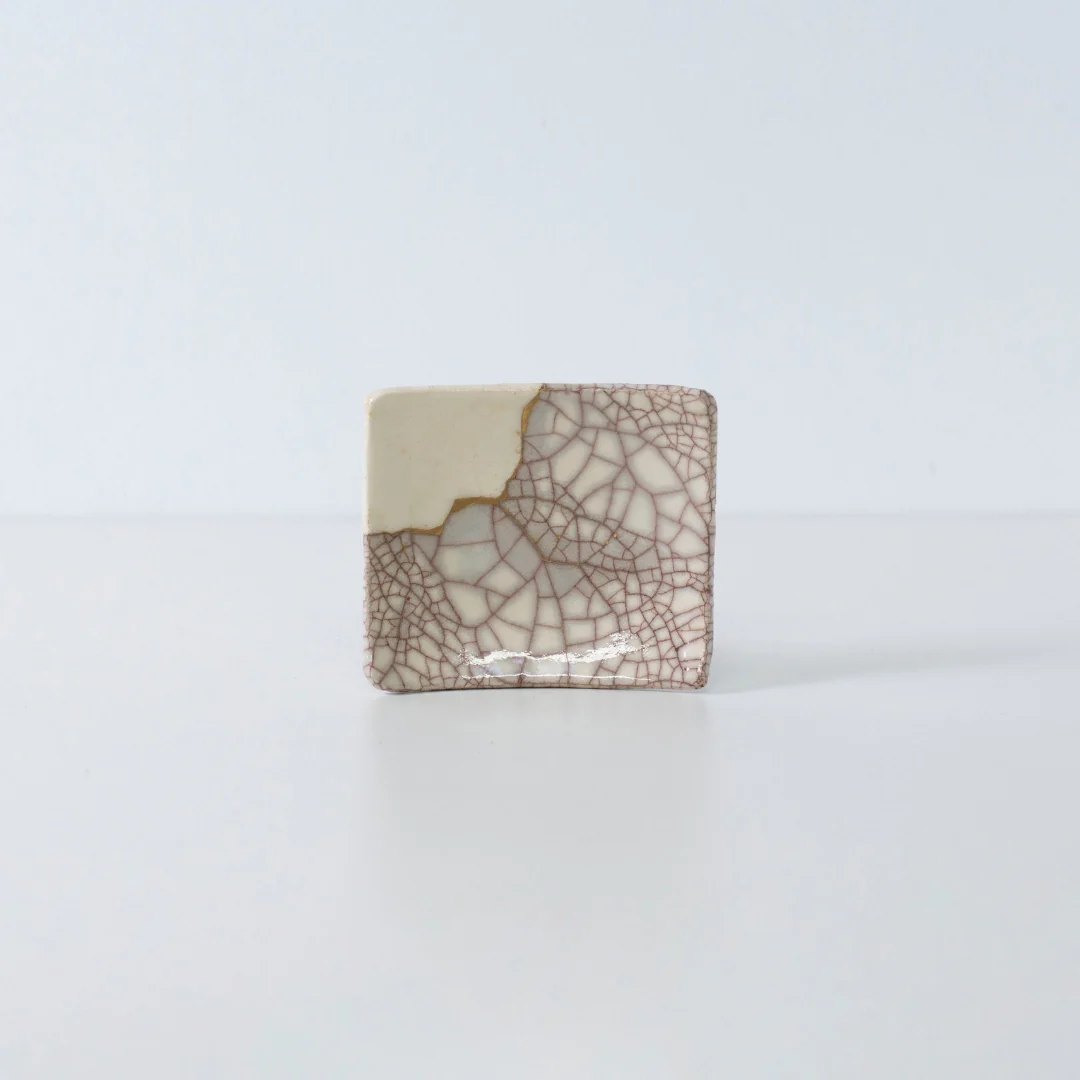
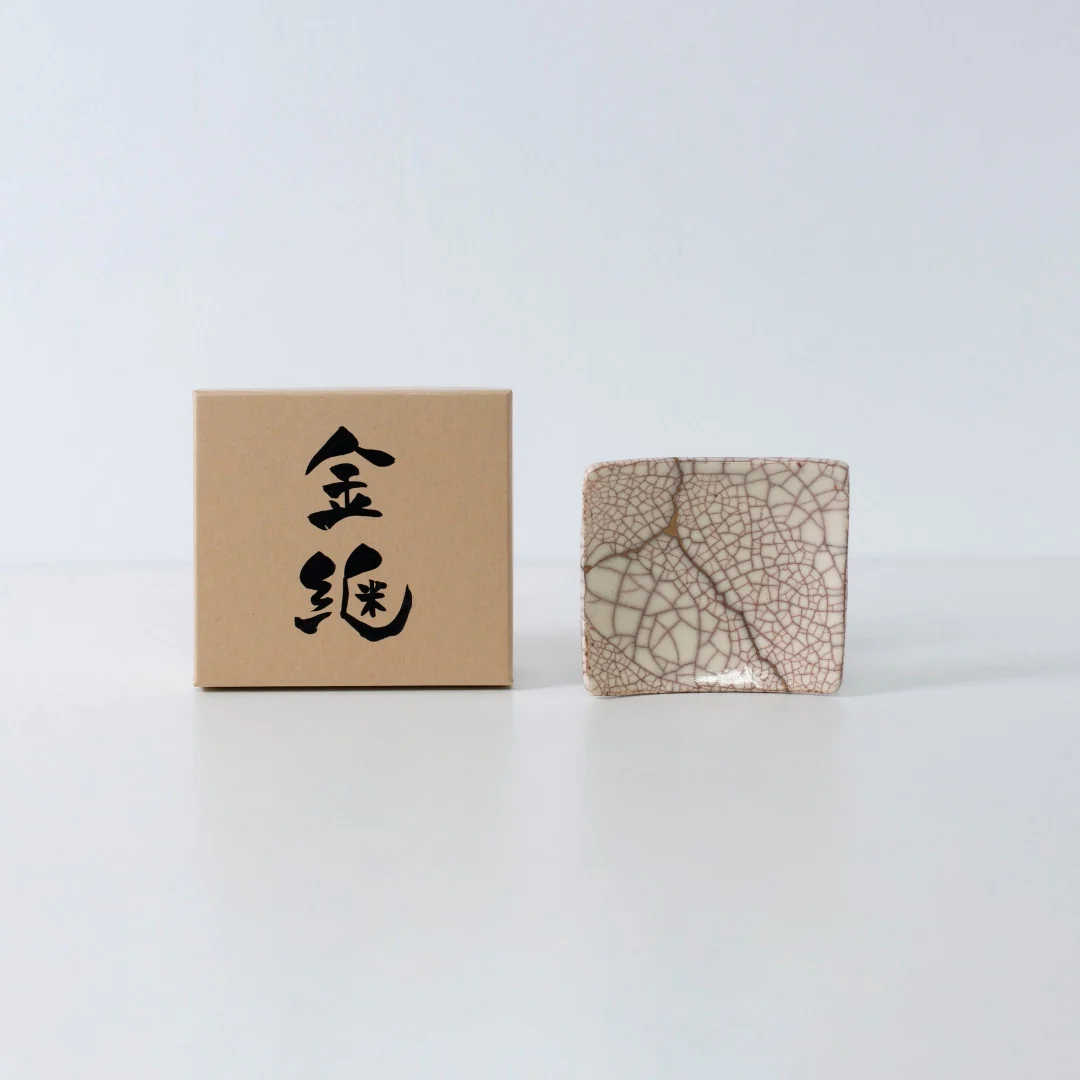
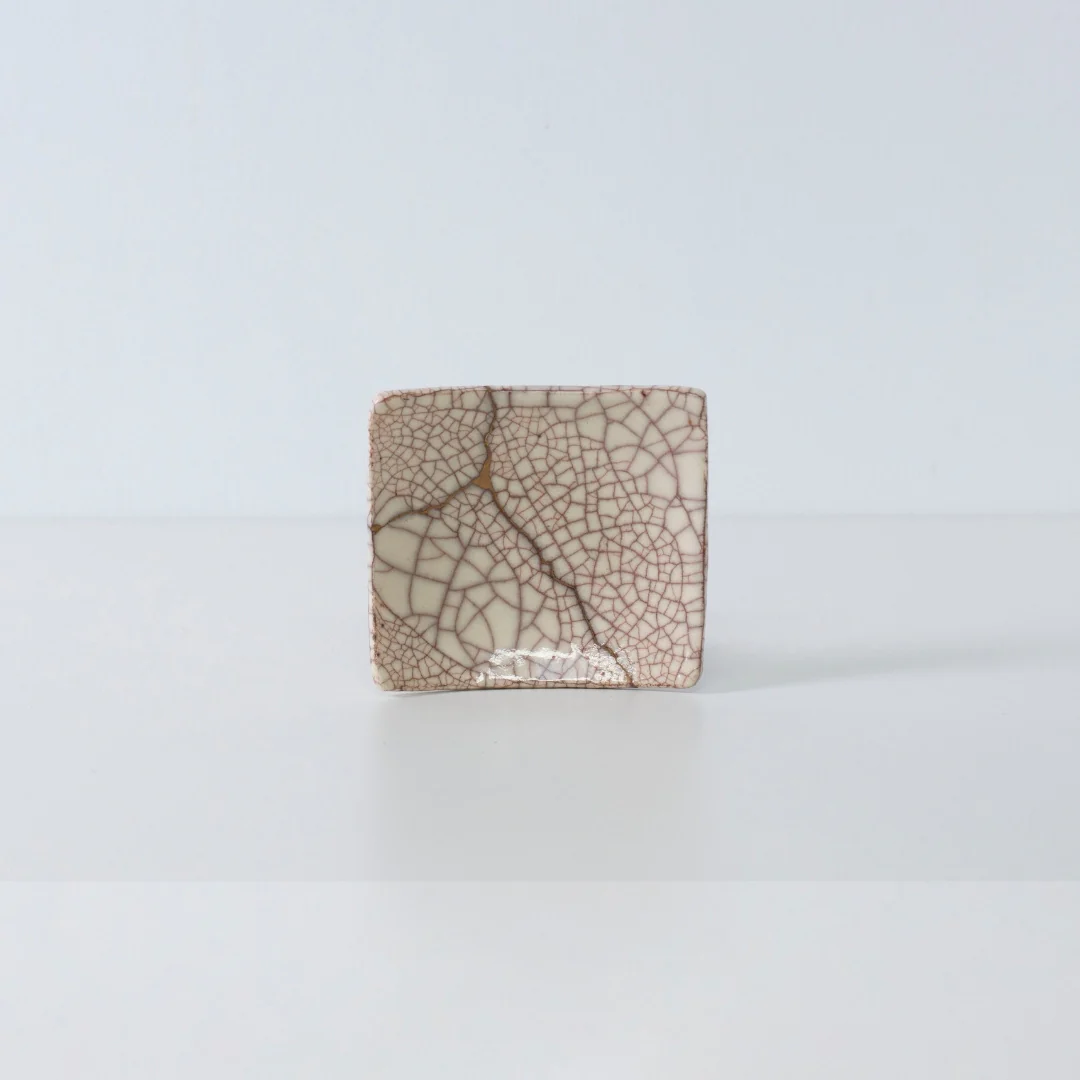
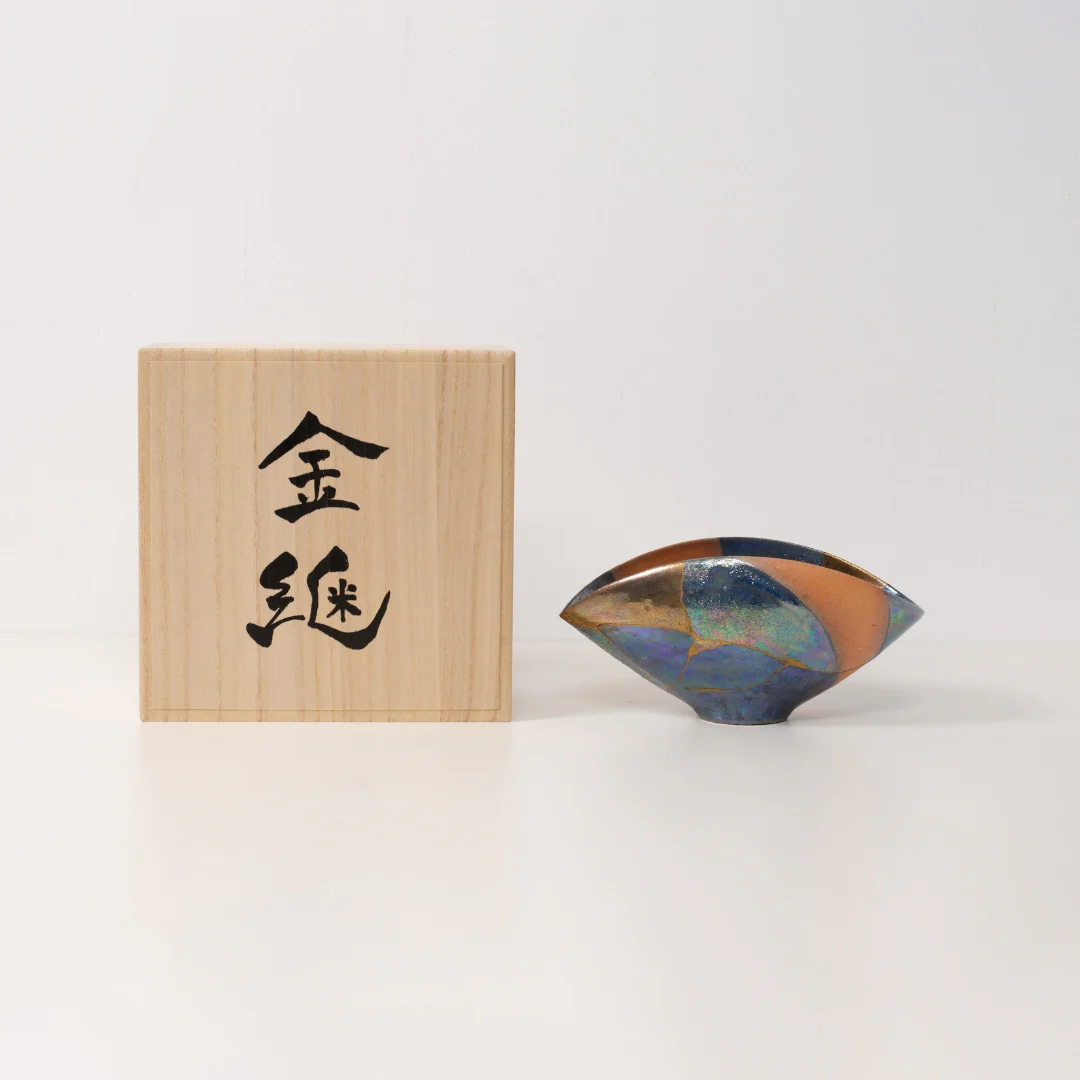
Experience the transformative power of kintsugi with the "Hidamari" 01, a rare kintsugi bowl by master artist Taku Nakano. This piece belongs to the same evocative collection showcased at his prominent 2025 New York exhibition, reflecting a deep philosophy of rebirth and hope. Using his signature "Okunodoi Method," Nakano crafts a mesmerizing palette of matte rainbow and gold lusters, mending intentional fractures with real gold to prove that we are "more beautiful for having been broken." At 8.3" (21cm) wide, its striking, asymmetric silhouette serves as a perfect centerpiece for Japandi decor or a meaningful gift for someone overcoming life's hardships. Discover a unique symbol of strength where every scar becomes a celebrated narrative of gold.
Product details
- Quantity: 1
- Dimension: Width 21.0cm (8.3 in) × Depth 10.0cm (3.9 in) × Height 10.0cm (3.9 in)
- Material: Ceramic
- Origin: Made in Tokyo, Japan
- Brand: Taku Nakano
Kintsugi: The Art of Embracing Imperfection and Creating Timeless Beauty
Kintsugi is a traditional Japanese restoration technique that involves repairing broken ceramics with lacquer and adorning the repaired areas with gold. Originating in the 15th century, this craft reflects the Japanese spirit of cherishing objects and embodies the aesthetics of wabi-sabi, which finds beauty in imperfection and transience. Far from being mere repair, kintsugi creates new value, and its philosophy and artistry continue to captivate people around the world today.
The Philosophy and Meaning of Kintsugi: Embracing Beauty in Imperfection
Kintsugi is an art form and philosophy that embraces imperfection and the damage caused by the passage of time, treating them as elements of beauty and intrinsic value. This technique teaches us that, much like a piece of pottery, human lives also encounter hardships, sustain scars, and sometimes break. However, these scars are proof of the challenges we have overcome, and imperfections are a unique form of beauty that belongs to each individual. Kintsugi invites us not to strive for perfection but to accept imperfection, discovering new beauty and value within it. This resonates with the modern need for self-acceptance and emotional healing—an essential concept often forgotten in today’s world.
Taku Nakano: The Kintsugi Master of Japan
Taku Nakano is a ceramic and kintsugi artist based in Omotesando, Tokyo, with over 2,000 students. Utilizing uncommon materials and techniques in the ceramics field—such as pure gold, platinum, titanium, colored slip glazes, and the art of retsu (crack decoration)—he creates kintsugi pottery that embodies the philosophy symbolized by kintsugi: "stronger and more beautiful than before it broke" and "second chances for both objects and life." Through kintsugi, Nakano conveys not merely the restoration of vessels but also an aesthetic that embraces the history and imperfections of objects, along with a philosophy of regeneration and hope.
The Meaning Behind Gifting Kintsugi: Celebrating Recovery and Resilience
People from around the world visit Taku Nakano's studio in Tokyo, seeking his kintsugi ceramics as gifts for loved ones who have overcome illness, injury, or hardship, or as mementos to reconcile with a partner or deepen bonds with someone special. For those who have faced challenges or pain, kintsugi ceramics symbolize resilience and strength.Due to the nature of kintsugi, which involves repairing broken vessels with authentic lacquer and gold, it is exceedingly rare in Japan to find ceramics restored in this traditional manner available for purchase. However, Nakano, both a ceramicist and kintsugi artist, creates his works by first crafting vessels from clay, intentionally breaking them, and then repairing them with genuine lacquer and gold to produce his kintsugi pieces.Each of Taku Nakano's kintsugi creations is a one-of-a-kind work of art, available exclusively through his studio or online via Millennium Gallery Japan.
Original: $1,440.00
-65%$1,440.00
$504.00More Images
Kintsugi Bowl "Hidamari" 01
Kintsugi Bowl "Hidamari" 01
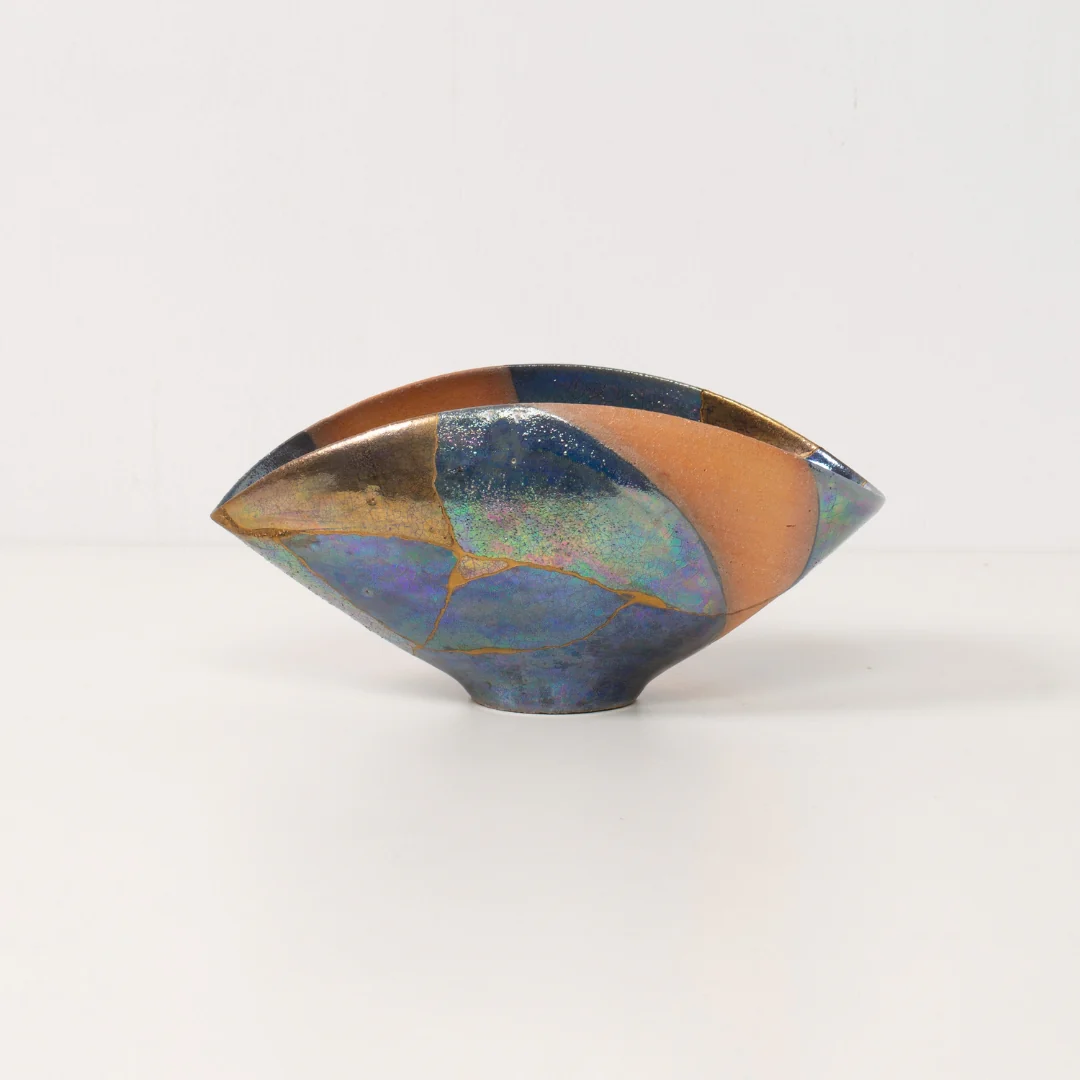
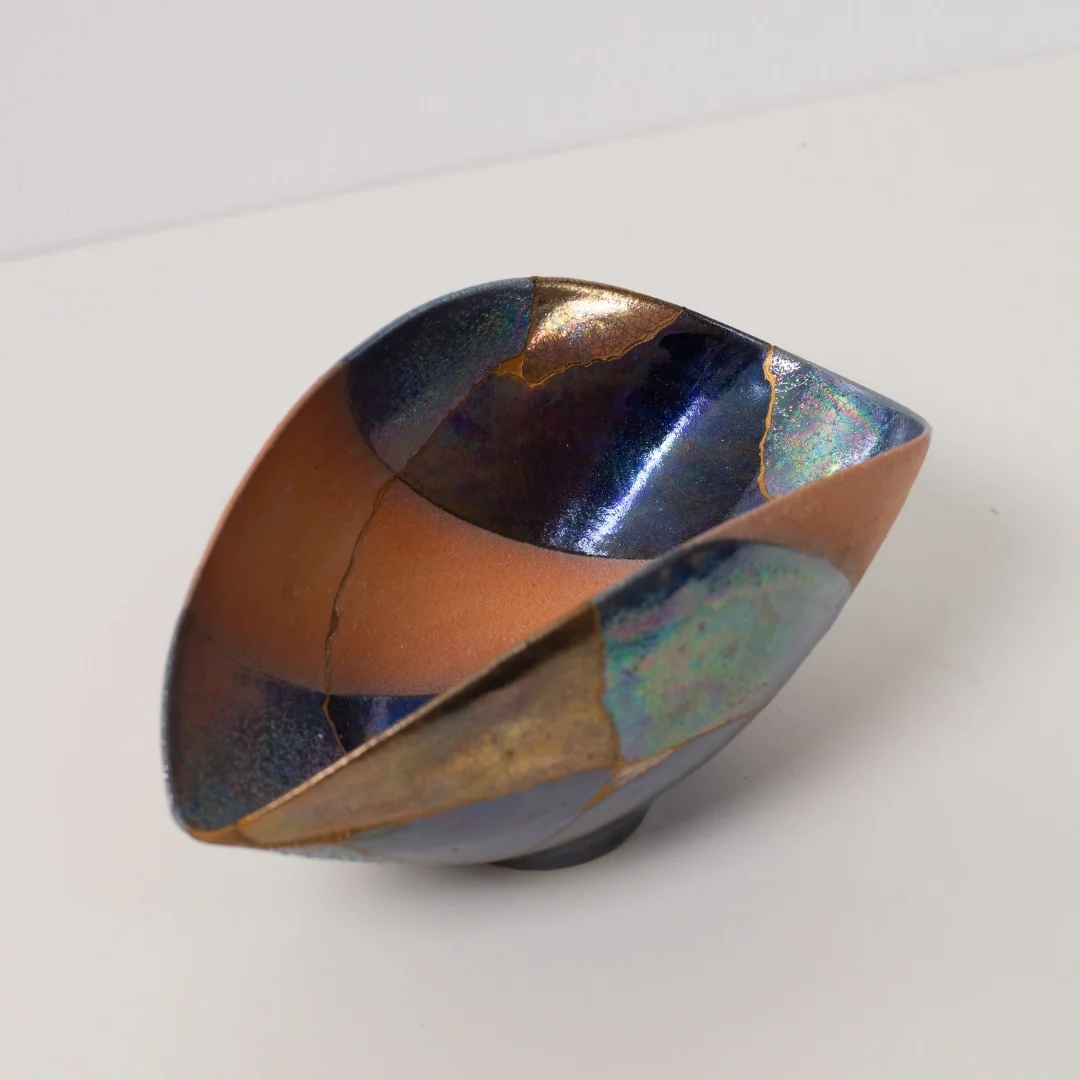
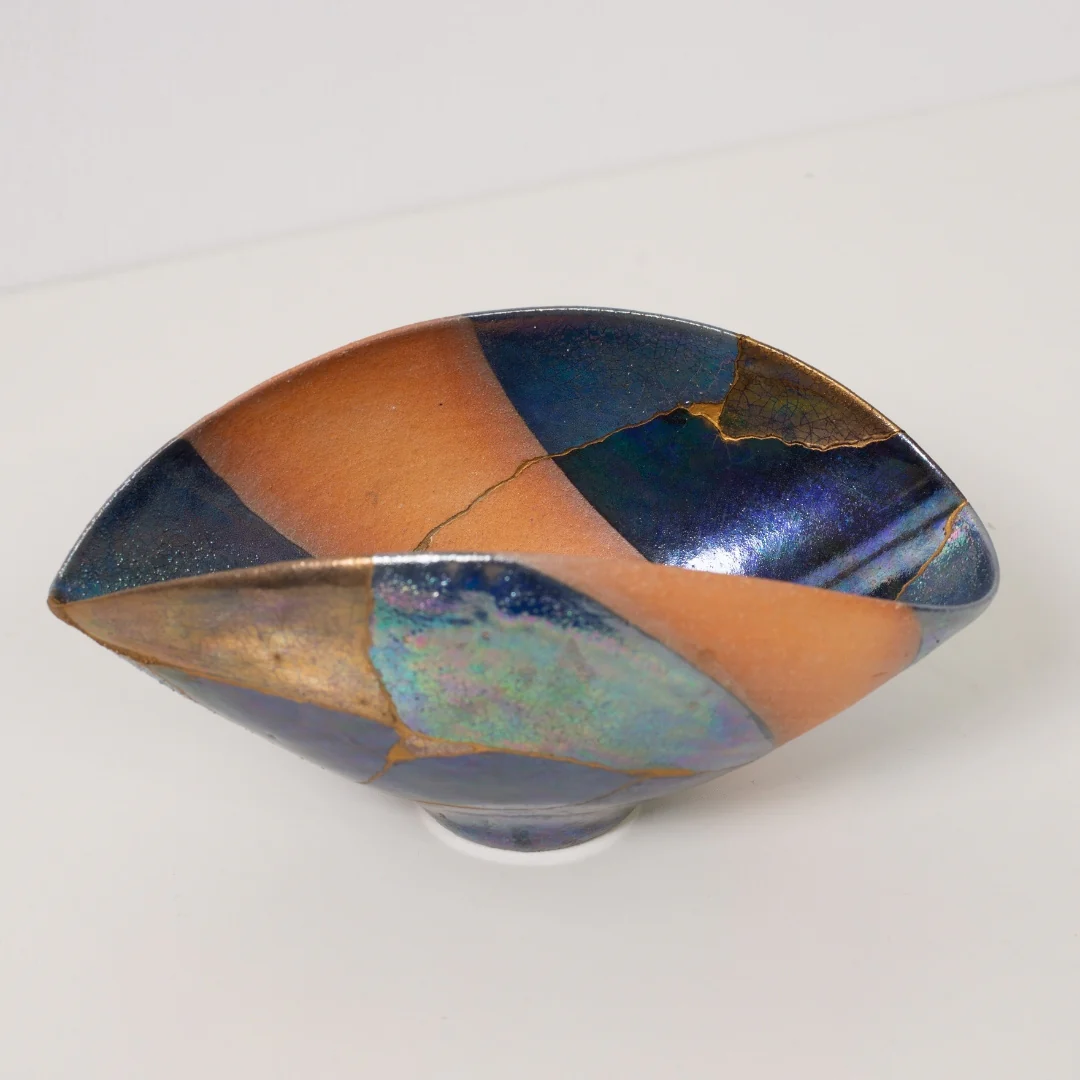
Experience the transformative power of kintsugi with the "Hidamari" 01, a rare kintsugi bowl by master artist Taku Nakano. This piece belongs to the same evocative collection showcased at his prominent 2025 New York exhibition, reflecting a deep philosophy of rebirth and hope. Using his signature "Okunodoi Method," Nakano crafts a mesmerizing palette of matte rainbow and gold lusters, mending intentional fractures with real gold to prove that we are "more beautiful for having been broken." At 8.3" (21cm) wide, its striking, asymmetric silhouette serves as a perfect centerpiece for Japandi decor or a meaningful gift for someone overcoming life's hardships. Discover a unique symbol of strength where every scar becomes a celebrated narrative of gold.
Product details
- Quantity: 1
- Dimension: Width 21.0cm (8.3 in) × Depth 10.0cm (3.9 in) × Height 10.0cm (3.9 in)
- Material: Ceramic
- Origin: Made in Tokyo, Japan
- Brand: Taku Nakano
Kintsugi: The Art of Embracing Imperfection and Creating Timeless Beauty
Kintsugi is a traditional Japanese restoration technique that involves repairing broken ceramics with lacquer and adorning the repaired areas with gold. Originating in the 15th century, this craft reflects the Japanese spirit of cherishing objects and embodies the aesthetics of wabi-sabi, which finds beauty in imperfection and transience. Far from being mere repair, kintsugi creates new value, and its philosophy and artistry continue to captivate people around the world today.
The Philosophy and Meaning of Kintsugi: Embracing Beauty in Imperfection
Kintsugi is an art form and philosophy that embraces imperfection and the damage caused by the passage of time, treating them as elements of beauty and intrinsic value. This technique teaches us that, much like a piece of pottery, human lives also encounter hardships, sustain scars, and sometimes break. However, these scars are proof of the challenges we have overcome, and imperfections are a unique form of beauty that belongs to each individual. Kintsugi invites us not to strive for perfection but to accept imperfection, discovering new beauty and value within it. This resonates with the modern need for self-acceptance and emotional healing—an essential concept often forgotten in today’s world.
Taku Nakano: The Kintsugi Master of Japan
Taku Nakano is a ceramic and kintsugi artist based in Omotesando, Tokyo, with over 2,000 students. Utilizing uncommon materials and techniques in the ceramics field—such as pure gold, platinum, titanium, colored slip glazes, and the art of retsu (crack decoration)—he creates kintsugi pottery that embodies the philosophy symbolized by kintsugi: "stronger and more beautiful than before it broke" and "second chances for both objects and life." Through kintsugi, Nakano conveys not merely the restoration of vessels but also an aesthetic that embraces the history and imperfections of objects, along with a philosophy of regeneration and hope.
The Meaning Behind Gifting Kintsugi: Celebrating Recovery and Resilience
People from around the world visit Taku Nakano's studio in Tokyo, seeking his kintsugi ceramics as gifts for loved ones who have overcome illness, injury, or hardship, or as mementos to reconcile with a partner or deepen bonds with someone special. For those who have faced challenges or pain, kintsugi ceramics symbolize resilience and strength.Due to the nature of kintsugi, which involves repairing broken vessels with authentic lacquer and gold, it is exceedingly rare in Japan to find ceramics restored in this traditional manner available for purchase. However, Nakano, both a ceramicist and kintsugi artist, creates his works by first crafting vessels from clay, intentionally breaking them, and then repairing them with genuine lacquer and gold to produce his kintsugi pieces.Each of Taku Nakano's kintsugi creations is a one-of-a-kind work of art, available exclusively through his studio or online via Millennium Gallery Japan.
Product Information
Product Information
Shipping & Returns
Shipping & Returns
Description
Kintsugi Bowl "Hidamari" 01
Experience the transformative power of kintsugi with the "Hidamari" 01, a rare kintsugi bowl by master artist Taku Nakano. This piece belongs to the same evocative collection showcased at his prominent 2025 New York exhibition, reflecting a deep philosophy of rebirth and hope. Using his signature "Okunodoi Method," Nakano crafts a mesmerizing palette of matte rainbow and gold lusters, mending intentional fractures with real gold to prove that we are "more beautiful for having been broken." At 8.3" (21cm) wide, its striking, asymmetric silhouette serves as a perfect centerpiece for Japandi decor or a meaningful gift for someone overcoming life's hardships. Discover a unique symbol of strength where every scar becomes a celebrated narrative of gold.
Product details
- Quantity: 1
- Dimension: Width 21.0cm (8.3 in) × Depth 10.0cm (3.9 in) × Height 10.0cm (3.9 in)
- Material: Ceramic
- Origin: Made in Tokyo, Japan
- Brand: Taku Nakano
Kintsugi: The Art of Embracing Imperfection and Creating Timeless Beauty
Kintsugi is a traditional Japanese restoration technique that involves repairing broken ceramics with lacquer and adorning the repaired areas with gold. Originating in the 15th century, this craft reflects the Japanese spirit of cherishing objects and embodies the aesthetics of wabi-sabi, which finds beauty in imperfection and transience. Far from being mere repair, kintsugi creates new value, and its philosophy and artistry continue to captivate people around the world today.
The Philosophy and Meaning of Kintsugi: Embracing Beauty in Imperfection
Kintsugi is an art form and philosophy that embraces imperfection and the damage caused by the passage of time, treating them as elements of beauty and intrinsic value. This technique teaches us that, much like a piece of pottery, human lives also encounter hardships, sustain scars, and sometimes break. However, these scars are proof of the challenges we have overcome, and imperfections are a unique form of beauty that belongs to each individual. Kintsugi invites us not to strive for perfection but to accept imperfection, discovering new beauty and value within it. This resonates with the modern need for self-acceptance and emotional healing—an essential concept often forgotten in today’s world.
Taku Nakano: The Kintsugi Master of Japan
Taku Nakano is a ceramic and kintsugi artist based in Omotesando, Tokyo, with over 2,000 students. Utilizing uncommon materials and techniques in the ceramics field—such as pure gold, platinum, titanium, colored slip glazes, and the art of retsu (crack decoration)—he creates kintsugi pottery that embodies the philosophy symbolized by kintsugi: "stronger and more beautiful than before it broke" and "second chances for both objects and life." Through kintsugi, Nakano conveys not merely the restoration of vessels but also an aesthetic that embraces the history and imperfections of objects, along with a philosophy of regeneration and hope.
The Meaning Behind Gifting Kintsugi: Celebrating Recovery and Resilience
People from around the world visit Taku Nakano's studio in Tokyo, seeking his kintsugi ceramics as gifts for loved ones who have overcome illness, injury, or hardship, or as mementos to reconcile with a partner or deepen bonds with someone special. For those who have faced challenges or pain, kintsugi ceramics symbolize resilience and strength.Due to the nature of kintsugi, which involves repairing broken vessels with authentic lacquer and gold, it is exceedingly rare in Japan to find ceramics restored in this traditional manner available for purchase. However, Nakano, both a ceramicist and kintsugi artist, creates his works by first crafting vessels from clay, intentionally breaking them, and then repairing them with genuine lacquer and gold to produce his kintsugi pieces.Each of Taku Nakano's kintsugi creations is a one-of-a-kind work of art, available exclusively through his studio or online via Millennium Gallery Japan.